 Arc Raiders
Arc Raiders Beginner Guide: First Steps, Loot Priorities, and Survival Basics
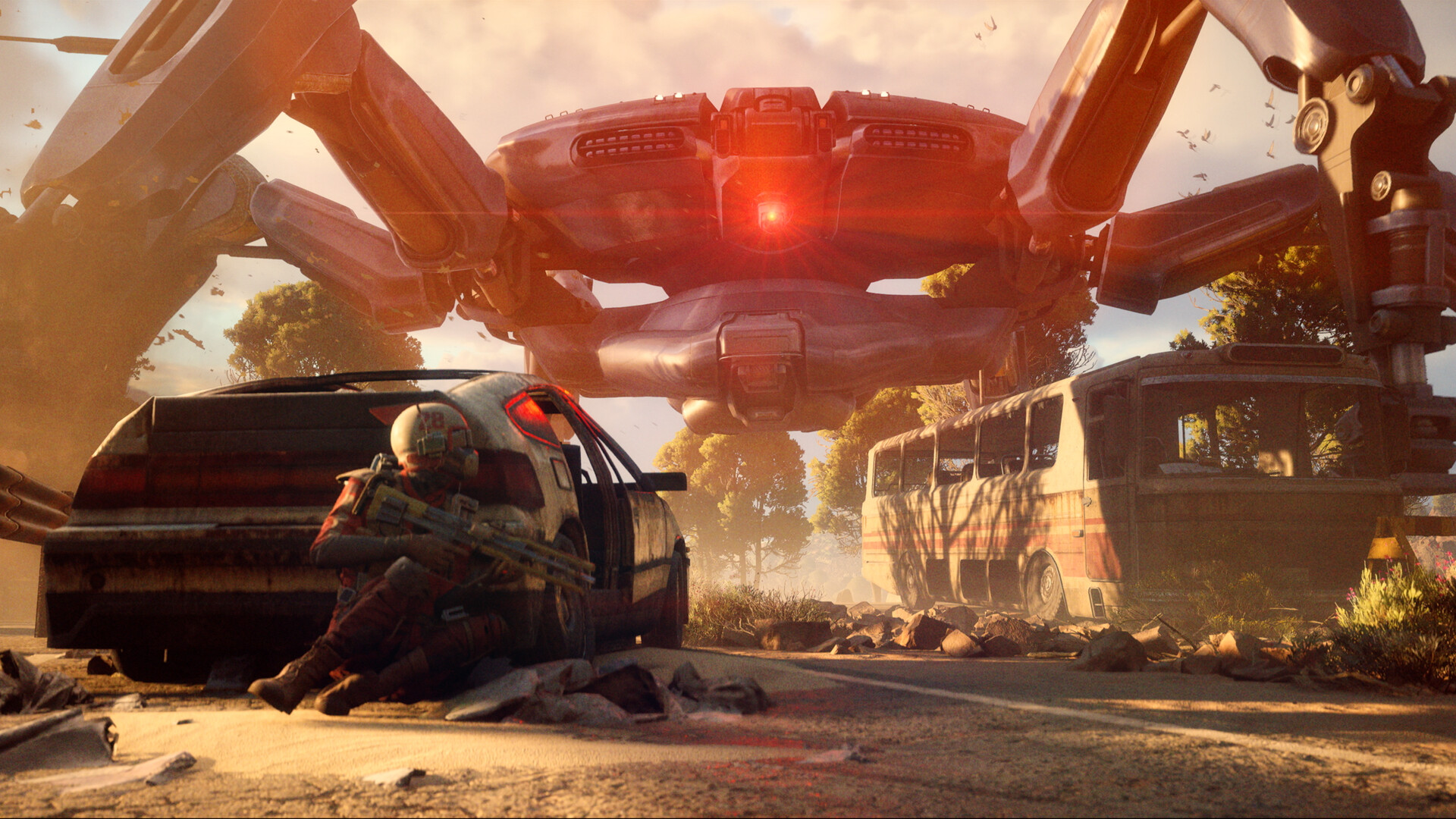
Quick Answer: Arc Raiders beginner guide basics: focus on safe loot runs, learn extraction timing, prioritize core survival gear and weapon uptime, avoid greedy fights, and extract consistently before chasing high-risk PvP or advanced farming.
What Arc Raiders is and what a beginner should expect
Arc Raiders is a multiplayer extraction shooter set on a lethal future Earth overrun by ARC machines, so your early goal is survival and extraction rather than nonstop combat. The game supports solo play and team play in duos or trios, and that flexible structure means beginners can learn at their own pace while still dealing with unpredictable enemy pressure and player encounters. Source Source
A good mental model is simple: every raid is a risk-reward loop. You bring in equipment, try to gather resources, and then leave with enough value to justify the danger. If you stay too long or take unnecessary fights, you usually convert a winnable run into a loss.
Why the opening hours matter
Your first hours shape how quickly you stabilize your stash, learn map flow, and build confidence in fights. Arc Raiders rewards players who understand when to disengage, when to scavenge, and when to extract, which is why beginners should treat the early game as training for consistency rather than highlight plays. The speedrun scene even shows how much room there is between normal play and optimization, with an Any% world record of 0:09 on Speedrun.com, which is fun context but not a useful benchmark for new players. Source
First-hour checklist
Your first hour should be spent unlocking basic comfort, testing gear, and learning one reliable extraction loop. Do these actions in order so you build practical habits instead of wandering aimlessly.
- Finish the tutorial or onboarding prompts carefully. Learn the movement, inventory, interaction, and extraction basics before you queue into real risk.
- Run one low-stakes raid with a simple objective. Pick one goal such as loot, survive, or scout the map; do not try to do everything at once.
- Check your starting gear and identify what is expendable. Keep your best survival tools in mind and avoid using rare items just because they are available.
- Practice disengaging from fights. If you get pressured by ARC units or another squad early, back off and reset rather than forcing a bad trade.
- Extract once successfully before changing loadouts too much. A clean extraction teaches you more than a messy “good fight” that ends in a wipe.
- Inspect post-raid rewards and losses. Understand what you gained, what you kept, and what you lost so the risk loop becomes intuitive.
- Queue solo first if you need breathing room. Solo play can be easier for learning spacing and audio cues, even though squads are stronger for raw safety.
What to pay attention to in your first raid
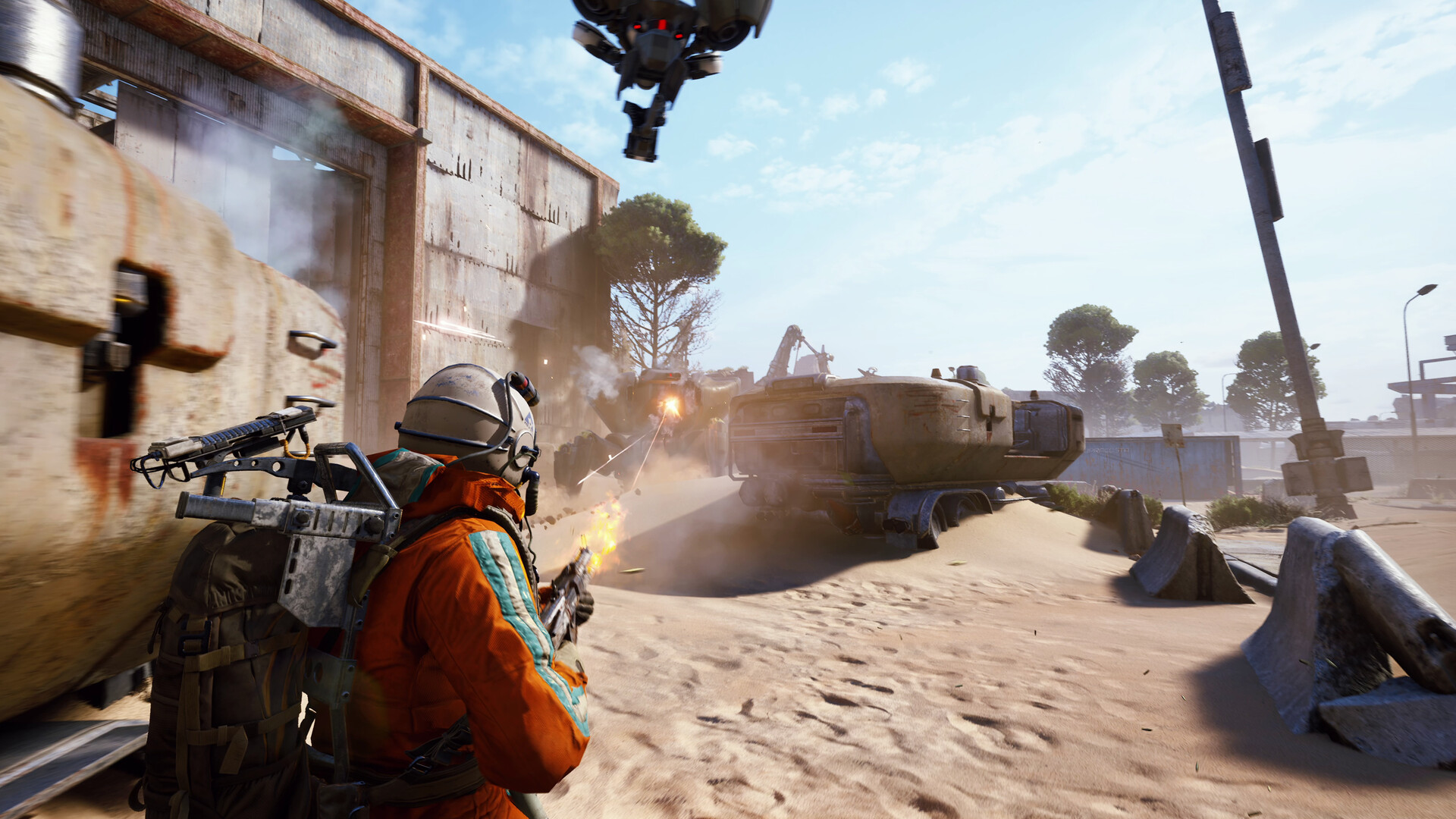
The main skill to build immediately is awareness. Watch for line-of-sight breaks, noise, enemy patrols, and escape routes. If you already know where you will run when things go wrong, you will survive more often than players who only think about loot.
A practical first-session goal
By the end of your first hour, you should be able to enter a raid, identify a safe path, gather a modest amount of resources, and extract without panic. That baseline is enough to move from “learning controls” to “learning decisions.”
Resource priority order
You should spend on survivability first, hoard flexible materials, and only then invest into long-term crafting or convenience upgrades. In extraction games, early overinvestment in one shiny option usually slows your overall progression.
| Priority | What to do | Why it matters |
|---|---|---|
| 1 | Keep core survival and extraction essentials available | These tools save raids and protect your gains |
| 2 | Hoard versatile crafting materials | Flexible materials are useful across many builds and upgrades |
| 3 | Spend on weapons or upgrades that improve consistency | Reliable performance beats niche power spikes early |
| 4 | Save rare or specialized resources | You do not yet know which build you will main |
| 5 | Invest in luxury or situational items last | These are only valuable once your economy is stable |
What to spend first
Spend first on anything that improves your chance to leave alive. That usually means basic combat reliability, survivability, and loadout flexibility. If an upgrade helps you extract more often, it is more valuable than something that only helps you win a fight you may never need to take.
What to hoard first
Hoard items that are broadly useful, hard to replace, or likely to fit multiple future loadouts. Early on, do not “clean out” your stash just because something looks uncommon. New players often regret spending flexible materials on the first convenient recipe they see.
What to craft first
Craft the items that reduce risk in future raids. A beginner-friendly crafting path usually favors:
- Basic sustain and recovery tools
- Reliable ammo or weapon support if applicable to your current setup
- Utility items that help you escape or reposition
- Anything that reduces downtime between raids
If you are unsure, wait. Having resources is safer than burning them on a craft you are not ready to use well.
Common newbie mistakes and how to fix them
Most beginner losses come from greed, poor routing, and ignoring escape plans. The good news is that each of these has a straightforward fix.
1. Staying too long after the objective is done
Beginners often keep looting after they already have enough value, which increases exposure for little benefit.
- Fix: Decide your extraction point before you start looting.
- Fix: Leave once your inventory or mission objective is “good enough.”
- Fix: Treat extra room in your backpack as a bonus, not a reason to stay.
2. Taking every fight
Not every enemy needs to be killed, especially when the cost of damage, ammo, noise, and time is too high.
- Fix: Ask whether the fight protects your extraction or improves your loot value.
- Fix: Avoid pushing if you do not know the third-party angle.
- Fix: Break line of sight and reset when the fight becomes messy.
3. Ignoring audio and movement tells
Extraction shooters reward players who react early to sound and positioning, and beginners often tunnel vision on loot.
- Fix: Pause before opening containers or entering tight spaces.
- Fix: Listen for threat direction, then move with purpose.
- Fix: Clear one area at a time instead of sprinting blindly through the map.
4. Wasting rare items too early
New players frequently burn strong consumables or special gear on routine situations.
- Fix: Use basic tools for basic problems.
- Fix: Save premium items for runs where the risk is already high.
- Fix: Build the habit of extracting with value instead of spending value to “feel powerful.”
5. Queueing into raids without a plan
Random wandering makes you easier to ambush and slows progression.
- Fix: Enter each raid with one objective: loot, quest progress, or scouting.
- Fix: Mark a fallback route in your head before contact starts.
- Fix: If the run goes sideways, switch immediately from “farm mode” to “survive mode.”
How to know you are out of the beginner phase
You are out of the beginner phase when you can consistently extract, identify danger early, and make loadout decisions without guessing. The transition is less about playtime and more about decision quality.
A solid graduation threshold looks like this:
- You know your preferred raid opening route
- You can disengage without freezing up
- You extract often enough to keep your stash stable
- You understand which items are core value and which are replaceable
- You no longer panic when ARC pressure or player pressure overlaps
A useful benchmark for readiness
If you can go from spawn to extraction with a plan, adapt when that plan breaks, and keep your losses controlled, you are ready to move beyond beginner habits. At that point, your focus should shift from “survive at all costs” to “optimize consistent value.”
For players who like completion goals, HowLongToBeat lists roughly 38.43 hours for the main story, 73.74 hours with extras, and 157.95 hours for completion, which is a useful reminder that there is plenty to master beyond the first learning curve. Source
Beginner progression targets
A beginner should progress in small, repeatable steps rather than chasing perfect runs. Arc Raiders is an extraction game, so stable habits matter more than isolated heroic moments.
| Stage | Goal | Signal that you are ready to move on |
|---|---|---|
| First raids | Learn controls and extraction flow | You can leave the map with basic loot |
| Early stabilization | Keep your stash from collapsing | You stop making panic purchases |
| Mid-beginner | Fight only when it benefits the run | You win or avoid most low-value engagements |
| Ready to advance | Build around a preferred style | You understand what your loadout is trying to do |
Next-step internal links
Once the basics click, use focused follow-up guides to specialize your play. These are the best internal-link placeholders to place next to this article:
- related guide for a tier/build breakdown
- arc raiders expedition tips for a weapon and loadout guide
- related guide for a mission walkthrough and extraction routes
If you are looking for extra context around ARC Raiders clips holiday joy cl1p it naomi kyle, treat that kind of community content as inspiration for learning routes, timings, and wipe avoidance rather than as a substitute for fundamentals.
Why community clips can help beginners
Short clips are most useful when they show one decision clearly, such as how to disengage, when to loot, or how to extract under pressure. The best takeaway from highlight content is usually positioning, not raw aim.
For new players, it helps to watch clips in this order:
- Safe extraction examples
- Escape and reset clips
- Low-risk loot routing
- Fight disengagement and repositioning
- Advanced PvP only after the basics feel natural
That approach keeps you from copying advanced habits before your decision-making can support them.
Sources
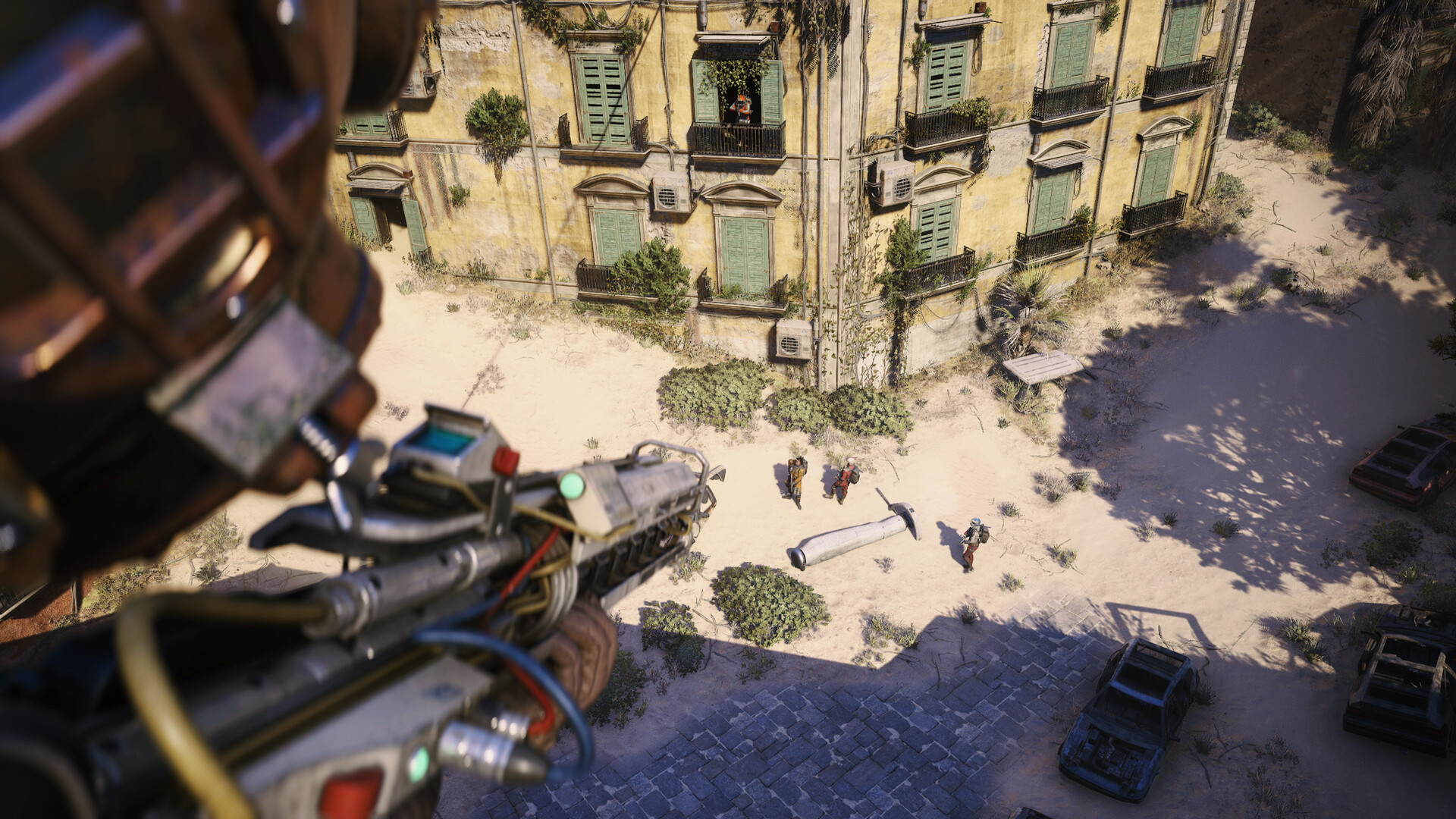
Screenshots


Reviewed by
Arc Raiders Hub Editorial
Expertise: Editorial team behind Arc Raiders Hub. Content is compiled from official patch notes, community wikis, and playthrough notes, then reviewed and updated on schedule.
Sources
ARC Raiders Progression Guides →
Browse the complete progression collection and its focused guides.
Related Guides

%27/><stop offset=%271%27 stop-color=%27hsl(320,50%,18%)%27/></linearGradient></defs><rect width=%27460%27 height=%27215%27 fill=%27url(%23g)%27/><text x=%27230%27 y=%27115%27 text-anchor=%27middle%27 font-family=%27sans-serif%27 font-size=%2724%27 font-weight=%27700%27 fill=%27rgba(255,255,255,0.85)%27>App 1808500</text><text x=%27230%27 y=%27142%27 text-anchor=%27middle%27 font-family=%27sans-serif%27 font-size=%2711%27 fill=%27rgba(255,255,255,0.6)%27>no image yet</text></svg>)

🔥 Popular Guides
Arc Raiders Field Depot Locations: How to Deliver Field Crates
Learn how to find Field Depots, deliver Field Crates, manage resources, and avoid beginner mistakes in Arc Raiders.

ARC Raiders patch notes security breach reddit: Store Update 1.43.0 Explained
Store Update 1.43.0 adds Roamer Set, Phantom Targets, and a security breach locker nerf explained.
arc raiders patch notes reddit: Patch Notes Explained for Store Update 1.43.0
ARC Raiders Store Update 1.43.0 adds the Roamer Set and Phantom Targets Event. What changed, who benefits, and what to do now.
ARC Raiders Patch Notes January: Patch Notes Explained
January ARC Raiders patch notes explained: new Roamer Set, Phantom Targets event, what changed, who benefits, and what to do next.
📋 Patch Notes & Updates
🛠️ Popular Tools
Was this guide helpful?
Rate this guide so we can improve it.
Share your own tip
Found something not in the guide? Submit it below — our editors review every tip before publishing. No account required.