 Arc Raiders
Arc Raiders Server Slam: How to Play Playtest Beginner Guide

Quick Answer: Arc Raiders Server Slam: How to Play Playtest is best approached like a high-stakes scavenger run: learn extraction basics, avoid greedy fights, bank early loot, and build habits around safe rotations, not hero plays.
What the Playtest Actually Is
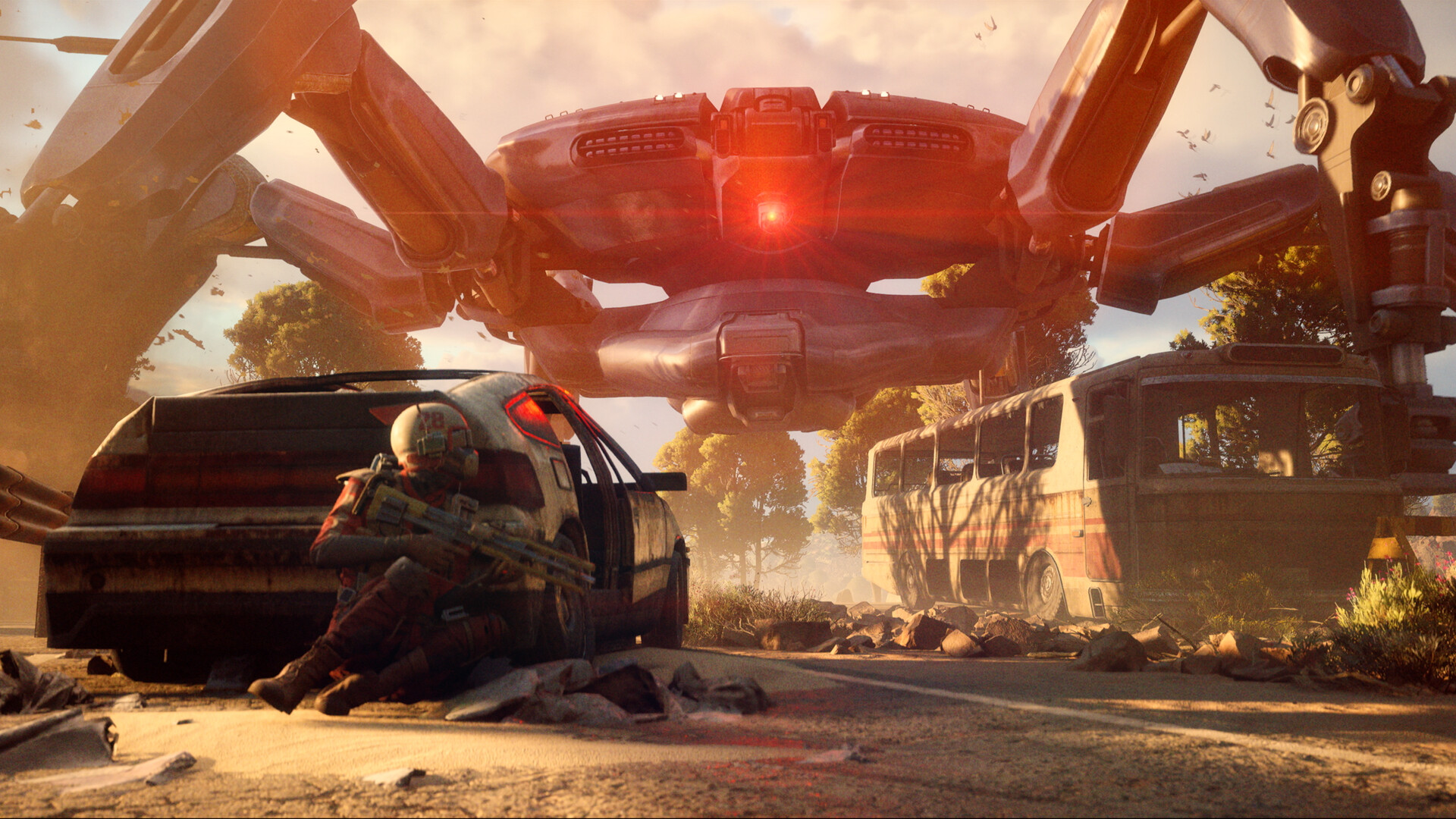
Arc Raiders Server Slam: How to Play Playtest is a limited-time stress test for a multiplayer extraction shooter where survival, looting, and extraction matter more than chasing every fight. ARC Raiders is described as a multiplayer extraction adventure set on a lethal future Earth under threat from ARC machines, and that core idea explains almost everything new players need to know: you enter, gather valuables, survive threats, and leave before the map turns your backpack into a donation box. Source
The reason this matters for beginners is simple: this is not a “run straight at the objective and respawn in 20 seconds” kind of game. If you treat the Server Slam like a normal shooter, you will burn gear, lose progress, and spend your next sessions asking why every scavenger in the zone seems to have better map knowledge than you. The better mindset is to treat every raid like a small expedition. Your job is to identify a safe route, gather useful resources, and exit before your risk goes up too much.
A few facts help frame the scale of the game. HowLongToBeat lists roughly 38.43 hours for the main story, 73.74 hours with extras, and 157.95 hours for completion. Source That doesn’t mean you should grind that much in the playtest, of course, but it does show that ARC Raiders has enough systems to reward players who learn the basics early. The game also supports solo play and teams of two or three, so your first choice is whether you want the chaos of going alone or the safety net of a squad. Source
The best beginner plan is to use the Server Slam to learn three things:
- how extraction timing works,
- how dangerous ARC patrols can be,
- and how fast your inventory fills up when you keep “just one more item.”
That’s the whole early game loop in one sentence, honestly.
How to Start Playing the Server Slam Without Faceplanting
You start playing the Server Slam by setting up the game properly, choosing a low-stress first raid plan, and focusing on survival over ambition. Since ARC Raiders is a third-person extraction shooter, the first few sessions should be about understanding movement, map flow, and what kinds of encounters are worth taking. The game is developed and published by Embark Studios, runs on Windows, and is built on Unreal Engine 5, which tells you it is aiming for a polished, modern presentation rather than a tiny indie-style ruleset. Source
The most important decision in your first hour is whether you go solo or with a team. Solo play gives you full control, but also means every mistake is your mistake. Duos and trios are usually easier for beginners because one teammate can scout, one can carry mission items, and one can watch for threats while the others loot. If you are brand-new to extraction games, playing with even one friend reduces the “I got jumped while reading the map” problem a lot.
A good launch checklist is:
- Finish the tutorial or onboarding prompts before your first serious raid.
- Spend a few minutes in the practice area, if available, to test your movement and weapon handling.
- Learn how to identify extraction points before you pick up valuable loot.
- Lower your expectations for combat; your first win condition is leaving alive.
- Treat every unfamiliar sound as a warning, not background noise.
Solo, Duo, or Trio?
Solo is the hardest but cleanest learning path, duo is the safest beginner setup, and trio is the most forgiving if your group communicates well. In solo runs, you can move quietly, disengage freely, and decide your own route, but a bad ambush can end your raid instantly. In duos, one player can bait attention while the other loots or revives. In trios, you get the easiest time handling mixed encounters with ARC enemies and other Raiders, but you also need enough coordination to avoid splitting up like a pack of confused pigeons.
Here’s the practical beginner take:
- Solo: best if you want to learn stealth and map reading.
- Duo: best if you want a balance of safety and simplicity.
- Trio: best if you want maximum recovery from mistakes.
What to Expect in Combat
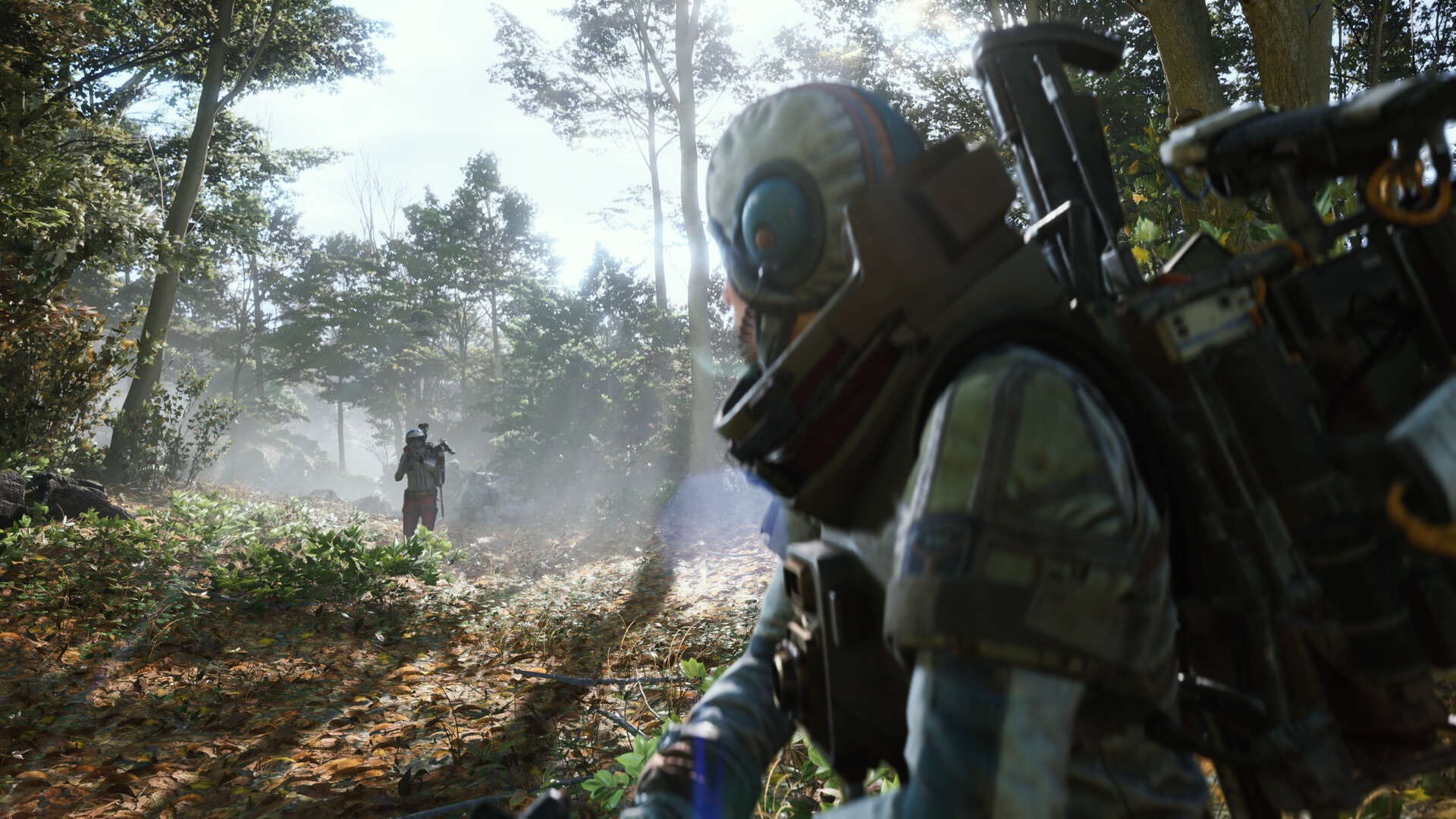
Combat is about choosing fights you can actually finish, not fights that look cool in a clip. ARC enemies are part of the map pressure, so even if no human enemy is nearby, the environment itself can still force you to burn ammo, meds, or time. A beginner-friendly mindset is to fight only when you need to clear a path, protect a loot route, or escape a bottleneck.
Good early-game combat habits:
- shoot from cover instead of standing in the open like you’re auditioning for a bad highlight reel,
- retreat when you get separated from your route,
- and stop re-peeking the same angle after you’ve been spotted.
You might also like
- Arc Raiders waking the grid quest security sensors security control center traces of breach Beginner Guide
- Arc Raiders naomi kyle reviews your best clips cl1p it with naomi kyle Beginner Guide
- ARC Raiders Arc Raiders gadgets you believed useless but are op in cold snap
- Arc Raiders Hurricane Map Condition and First Wave Hidden Cache Locations: Beginner Guide
- Arc Raiders groundbreaking quest building picture whiteboard photo abandoned housing project Beginner Guide
First-Hour Checklist
Your first hour should be spent learning movement, looting, extraction behavior, and one reliable route rather than trying to become a hero. If you only do one thing in the opening hour, make it this: survive a raid, extract once, and leave with more items than you started with. That’s the real beginner victory condition.
The First 60 Minutes, Step by Step
- Spend the first 10 minutes in menus and training. Check controls, sensitivity, keybinds, and any accessibility options before you queue in. If the game has a practice range or safe test area, use it to learn recoil, swapping, crouching, sliding, and healing.
- Run your first raid with a simple objective. Don’t chase a big quest chain immediately. Pick one small goal such as “find one useful resource,” “reach one extraction point,” or “loot three containers without fighting.”
- Move toward the edges or quieter routes. High-traffic areas are where beginners get punished. Start by learning a safer path between spawn, loot, and extraction.
- Loot only what you understand. If an item’s purpose is unclear, take it anyway if it has obvious value, but prioritize things you can use soon or sell/craft later.
- Extract as soon as you have a meaningful haul. Don’t keep wandering because your bag is not a museum.
- Review what killed you or slowed you down. If you died, ask whether it was a route issue, ammo issue, positioning issue, or greed issue. The answer is usually one of those four.
A Smart First-Hour Route
A smart beginner route is “spawn, nearby loot, one combat if necessary, extraction.” That’s it. You do not need to clear the whole map, and you definitely do not need to chase every shiny container you see in the distance. Think of your first hour as calibration. You are trying to learn:
- how long it takes to travel from point A to point B,
- how quickly you can get into and out of trouble,
- and how much loot fits into one safe extraction.
If you can complete even one clean, low-risk run in that first hour, you’re already ahead of the players who keep sprinting into danger because the map looks empty for five whole seconds.
What Success Looks Like Early
Success in the first hour is not “top fragging.” Success is recognizing an extraction window, leaving with something useful, and understanding why that route worked. In extraction games, early knowledge is more valuable than early gear because knowledge keeps paying off every raid after that. A basic loop like “loot a small building, avoid a noisy fight, extract while carrying crafting mats” is far better than getting wiped with a full backpack because you wanted one more upgrade component.
Resource Priority Order
You should spend early resources on survivability, flexibility, and crafting essentials, while hoarding rare upgrade materials and anything you do not yet understand. In an extraction game, the wrong resource habit can snowball into a much worse early game than the actual combat.
What to Spend First
Start by spending on anything that improves your ability to keep extracted loot. That usually means:
- basic healing,
- ammo for the weapons you actually use,
- simple utility items,
- and early upgrades that reduce the chance of losing a raid to one bad encounter.
If the game gives you a choice between a flashy weapon you barely know and a reliable toolkit that helps you survive three more raids, take the toolkit. Beginners often overvalue “damage now” and undervalue “consistency later.”
What to Hoard
Hoard anything that looks like a crafting component, upgrade ingredient, or rare quest item. If you are not sure whether a material is common, treat it like it could become important later. The same idea applies to items with ambiguous descriptions: if it sounds like a machine part, battery, core, or salvage piece, it may be more useful than it seems.
Good hoarding candidates:
- upgrade materials,
- rare machine drops,
- mission-specific items,
- and anything clearly marked as uncommon or valuable.
Bad hoarding behavior is carrying random junk that helps neither your current loadout nor your next upgrade. If a bag is full but half the contents are “maybe useful someday,” you have already lost the resource game.
What to Craft First
Craft the basics first: healing support, ammo economy, and any low-cost utility that improves extraction consistency. If the Server Slam lets you craft tools for survival or mobility, those should outrank vanity items every time. New players often ask, “What’s the strongest thing I can make?” The better question is, “What keeps me alive long enough to use the strong thing?”
| Priority | Spend On | Why It Comes First | Beginner Example |
|---|---|---|---|
| 1 | Healing and survival tools | Keeps you alive long enough to extract | Med items, emergency recovery, escape utility |
| 2 | Ammo and weapon upkeep | Prevents a good raid from ending because you ran dry | Refill rounds for your main gun |
| 3 | Basic crafting materials | Unlocks steady progression without overcommitting | Common salvage, machine parts |
| 4 | Rare upgrade parts | Strong, but only after your core survival loop is stable | Components you should not burn early |
| 5 | Cosmetic or luxury spending | Nice later, useless when you keep dying | Anything non-essential |
If you like rule-of-thumb phrasing: spend on staying alive, hoard for growth, and delay “fun” spending until your extraction rate is decent. That’s the extraction shooter equivalent of not buying a fancy hood ornament before the engine works.
Common Mistakes and How to Fix Them
The most common beginner mistakes in ARC Raiders come from greed, panic, poor route planning, and misunderstanding what a successful raid actually looks like. The good news is that almost all of them are fixable with one simple habit change.
1. Fighting Every Enemy You See
Players do this because shooters train us to think targets are opportunities, but in extraction games targets are often time sinks. Clearing a hostile just because it exists can drain ammo, reveal your position, and attract a third problem while you’re reloading.
Fix: Only take fights that protect a route, a loot objective, or an extraction. If you can bypass an ARC patrol, bypass it. If you can disengage from another Raider without losing your objective, disengage.
2. Over-Looting and Missing the Exit
This happens because shiny loot feels like free value, and every container whispers “open me” like a bad little goblin. Then the raid timer, enemy pressure, or another squad turns the run into a cautionary tale.
Fix: Set a loot cap before you enter. For example, decide that once you have one valuable upgrade item, one stack of consumables, and one mission item, you leave. If the bag is already useful, extracting beats gambling.
3. Running Loud Through Dangerous Areas
Beginners sprint too much because they think speed solves everything, but loud movement can telegraph your position and force fights on bad terms. In a game with ARC machines and rival Raiders, noise management matters.
Fix: Use walking, crouching, and short bursts of sprinting only when crossing exposed ground. If you hear threats nearby, slow down and let them pass or reposition first.
4. Ignoring the Map and Extraction Routes
A lot of new players loot first and ask “where do I go?” second, which is how they end up carrying valuables while wandering into the worst possible route. Extraction knowledge is not optional in this genre; it is the genre.
Fix: Learn extraction points before your first serious loot sweep. Pick one fallback path and one backup route so you are never improvising while overloaded.
5. Bringing a “Maybe Useful” Backpack Full of Junk
Players often keep low-value items because they hate leaving anything behind. The problem is that full of junk is still full, and inventory space is one of your most valuable resources.
Fix: Evaluate every item against a simple test: does it help me survive, craft, complete a quest, or improve my next raid? If not, convert it into space for something better.
6. Playing Like Every Raid Must Be a Win
This is a mindset mistake more than a mechanical one. Beginners often judge a raid only by kills or total loot, but even a short extraction with one key material can be a success.
Fix: Define smaller win conditions. A clean escape, a completed scout run, or a successful test of a weapon are all productive raids.
Common Mistakes
Here are the five biggest beginner errors in plain language, with why they happen and how to fix them in-game.
Greedy looting after you already have enough.
Players feel one more container will “secure the run,” but that extra stop often gets them caught.
Fix: Set a hard extraction trigger, such as “one mission item and one upgrade mat, then leave.”Standing in the open during fights.
New players focus on shooting and forget that third-person cover matters.
Fix: Fight from corners, walls, and terrain breaks; reposition after every burst.Burning resources too early.
Healing, ammo, and utility are spent on minor problems, leaving nothing for the real danger.
Fix: Keep a reserve and only spend when the alternative is losing the raid.Chasing revenge instead of progress.
Getting tagged by a Raider or ARC unit makes players tunnel vision.
Fix: Break line of sight, reset, and continue toward extraction.Ignoring team spacing in duos or trios.
Teammates bunch up and get punished by the same threat or grenade.
Fix: Keep enough distance to support each other without all standing in the same trap.
Pro Tips
These tips go beyond the obvious “don’t die” advice and help you play ARC Raiders more like a calm scavenger than a panicked loot raccoon.
1. Treat Silence as Information
If a route that was noisy suddenly goes quiet, that often means something changed nearby. Use that pause to move, listen, and scan before committing.
2. Rotate Before You Finish Looting
If you’re in a contested area, move to a safer angle before opening another container. Looting in place after a fight is how players get caught with their hands in the cookie jar.
3. Learn One “Escape Route” per Spawn
For each spawn pattern, remember one reliable path to lower-risk terrain or extraction. That way you’re not reading a map under pressure while somebody else is reading your health bar.
4. Save a Utility Item for the Exit
A lot of beginners blow through all their tools on the way in and then die on the way out. Keep one movement, distraction, or recovery option specifically for extraction.
5. Use Enemy Pressure to Your Advantage
If ARC enemies and player traffic are both nearby, sometimes the smartest move is to let them distract each other and slip past. Extraction shooters reward patience more than ego.
6. Test Weapons in Low-Stakes Encounters
Before you trust a gun in a serious run, use it on minor enemies or in a controlled setting. A weapon that feels good in your head may handle differently when you need fast target swaps.
Graduation Threshold: When You’re No Longer a Beginner
You are out of the beginner phase when you can repeatedly extract with purpose, not just luck, and when you understand how to choose fights, routes, and loadouts without hesitation. In practice, that means your decisions stop being random and start being intentional.
A simple way to judge your progress is whether you can do the following consistently:
- enter a raid with a plan,
- identify when a route is too risky,
- leave with useful resources before your inventory becomes a liability,
- and recover after a bad run without spiraling into “one more reckless raid.”
There are some concrete signs you’ve graduated from beginner territory:
- You can explain why you took a fight or avoided one.
- You know at least one safe loot route and one escape route.
- You recognize when to cut losses instead of pushing deeper.
- You understand which resources are common and which are worth banking.
- You no longer panic every time an ARC unit or rival Raider appears.
If you want a more objective benchmark, use a streak-based rule: if you can complete several raids in a row without losing all your value to avoidable mistakes, you are past the newbie stage. That does not mean you will never die, but it does mean your deaths are becoming educational instead of chaotic. That is the real level-up.
For context, the game’s global achievement stats show the rarest tracked achievement is unlocked by only 0.8% of players Source, which is a good reminder that mastery in this game is a long game, not a weekend project. And if you like completion-style goals, SteamHunters tracks 50 achievements with 0 currently unobtainable achievements. Source
Related Guides
If you’re getting comfortable with the Server Slam and want the next layer of help, these sibling guides would fit nicely:
- Arc Raiders Best Early Weapons Guide
- Arc Raiders Beginner Loadouts and Gear Priorities
- Arc Raiders Extraction Routes and Map Tips
- Arc Raiders Solo Play Guide
- Arc Raiders Duo and Trio Team Strategy
- Arc Raiders Crafting and Resource Guide
- Arc Raiders Practice Range Tips
Sources
- https://store.steampowered.com/app/1808500/
- https://howlongtobeat.com/?q=arcraiders
- https://steamcommunity.com/stats/1808500/achievements
- https://steamhunters.com/apps/1808500
See also
- Arc Raiders flickering flames event exactly needed dlc free update Beginner Guide
- Arc Raiders how unlock azimuth outfit archeologist backpack the finals crossover Beginner Guide
- Arc Raiders 10 biggest regrets of a players wish i knew sooner: Beginner Guide
- Arc Raiders paving the way quest guide enelica building researcher flat
- Arc Raiders new steam game like minecraft dwarf delve extraction Beginner Guide
- ARC Raiders How to Complete Trials This Week Jan 5 to 12
- Arc Raiders loadout best pve pvp ferro cost free good op Beginner Guide
- Arc Raiders gamers into voice actors cl1p it with naomi kyle Beginner Guide
- Arc Raiders self revive kit good bad why: Beginner Guide
- Arc Raiders lost transmission spaceport control tower key Beginner Guide
Screenshots


Reviewed by
Arc Raiders Hub Editorial
Expertise: Editorial team behind Arc Raiders Hub. Content is compiled from official patch notes, community wikis, and playthrough notes, then reviewed and updated on schedule.
Sources
ARC Raiders Progression Guides →
Browse the complete progression collection and its focused guides.
Related Guides

%27/><stop offset=%271%27 stop-color=%27hsl(320,50%,18%)%27/></linearGradient></defs><rect width=%27460%27 height=%27215%27 fill=%27url(%23g)%27/><text x=%27230%27 y=%27115%27 text-anchor=%27middle%27 font-family=%27sans-serif%27 font-size=%2724%27 font-weight=%27700%27 fill=%27rgba(255,255,255,0.85)%27>App 1808500</text><text x=%27230%27 y=%27142%27 text-anchor=%27middle%27 font-family=%27sans-serif%27 font-size=%2711%27 fill=%27rgba(255,255,255,0.6)%27>no image yet</text></svg>)
🔥 Popular Guides
arc raiders patch notes april 21: Patch Notes Explained
ARC Raiders April 21 patch explained: Store Update 1.43.0, Roamer Set, Phantom Targets Event, delayed rotation, and player action items.
ARC Raiders Beginner Guide: Getting Through the First Hours
Learn early survival, resource priorities, and enemy behavior tips for ARC Raiders beginners.
arc raiders kettle nerf patch notes: Patch Notes Explained for Store Update 1.43.0
Store Update 1.43.0 adds Roamer Set and Phantom Targets event, with restart-required rollout details and player actions.
ARC Raiders patch notes and updates: Store Update 1.43.0 explained
Store Update 1.43.0 adds the Roamer Set, Phantom Targets Event, and Anomalia Outfit. Learn what changed and what to do now.
📋 Patch Notes & Updates
🛠️ Popular Tools
Was this guide helpful?
Rate this guide so we can improve it.
Share your own tip
Found something not in the guide? Submit it below — our editors review every tip before publishing. No account required.