 Arc Raiders
Arc Raiders Is the Next Big Extraction Shooter: Reference Guide
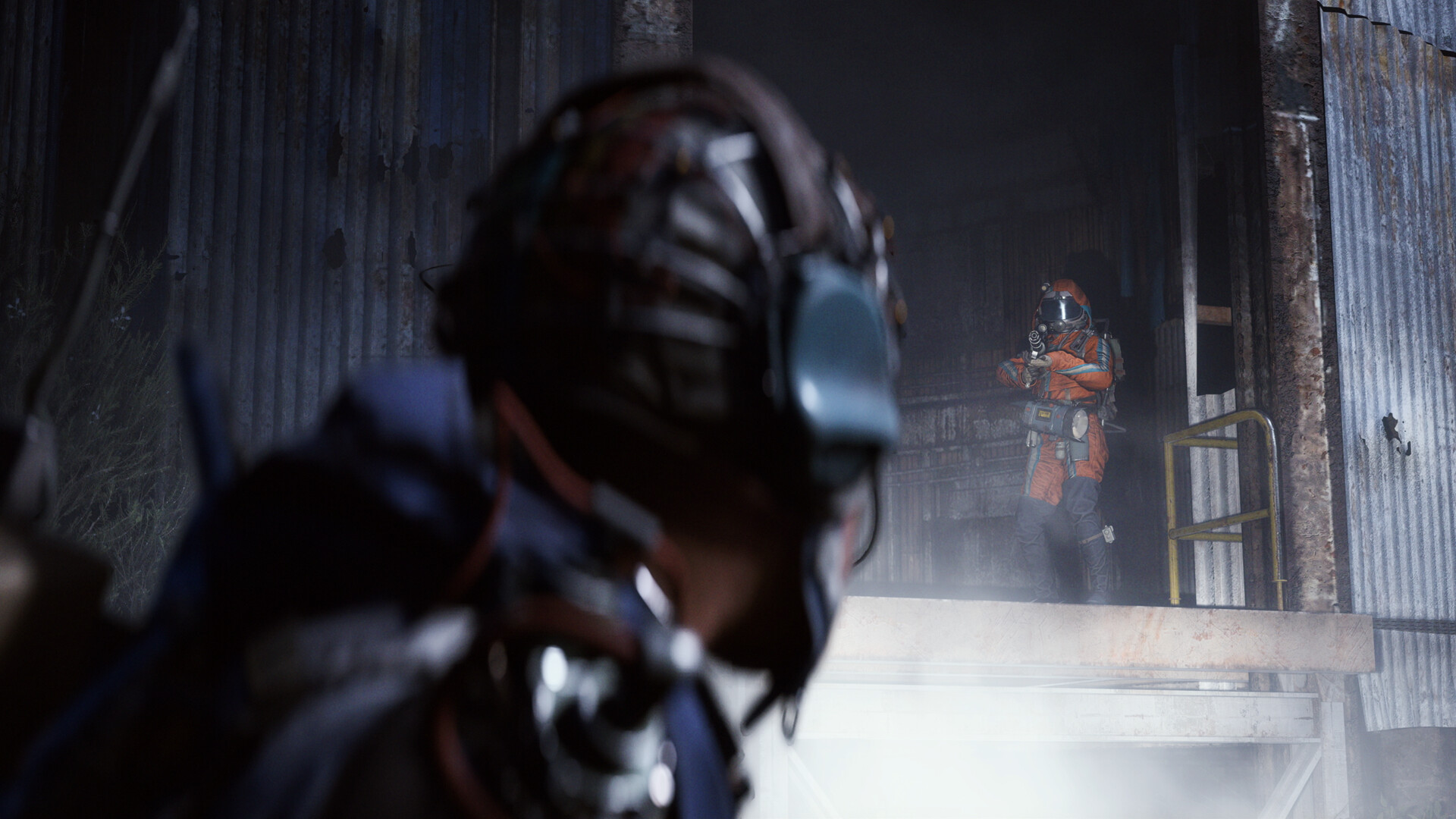
Quick Answer: Arc Raiders Is the Next Big Extraction Shooter because it pairs high-stakes PvPvE extraction with a more forgiving progression loop, strong workshop crafting, and surface threats from ARC machines that force tactical routing, stealth, and smart loadouts.
What Arc Raiders Is, and Why It Lands in the Genre Conversation
Arc Raiders is the next big extraction shooter because it keeps the core tension of the genre while softening the punishing edges that usually keep some players out. The game is set on a lethal surface ruled by ARC machines, with survivors living underground in Speranza, and the loop centers on venturing topside, looting, fighting, and extracting with what you can carry. That is the part that matters most: the pressure comes from the route, the enemies, and the other Raiders, not just from one hard fail state.
The reason it stands out in the current extraction meta is the combination of readable systems and broad tactical expression. You are not locked into one optimal lane. ARC Raiders gives you solo play or parties up to three, a skill tree split into Survival, Mobility, and Conditioning, and loadout tools that range from SMGs, rifles, and shotguns to railguns, energy weapons, grenades, traps, ziplines, deployables, and augments. That means the game can support both risk-averse extraction routes and more aggressive contesting around high-value routes or map objectives.
What also pushes it into the “next big” conversation is how it approaches progression. You craft, repair, and upgrade gear in your workshop, then feed that loop with scavenged materials and looted ARC parts. The game also uses Trials for leaderboard-driven rewards, which adds a competitive layer without turning the entire experience into a pure ranked grind. In practical terms, Arc Raiders is not just another hardcore extraction variant. It is trying to be the version that more players can sustain across a season without bouncing off the genre’s usual friction.
That framing matters when you decide whether to invest. If you want a game where every raid is a binary test of raw punishment tolerance, this is a softer pitch than the most unforgiving extraction titles. If you want extraction tension with room to recover, progress, and specialize, Arc Raiders is positioned to hit that balance better than most of its peers. For related coverage, see loadout and weapon guide and skill tree breakdown.
Core Loop and Progression: What the Game Rewards
Arc Raiders rewards extraction survival, workshop progression, and incremental specialization rather than pure raid-to-raid dominance. The game’s loop is explicit: venture topside, scavenge in a world patrolled by ARC machines, bring resources back to Speranza, and convert those materials into better tools for the next run. That structure is what gives the game its identity inside the broader extraction shooter space.
The central progression pillars are easy to separate:
- Surface runs: gather materials, fight ARC machines, and avoid unnecessary noise.
- Workshop growth: craft, repair, and upgrade gear using scavenged materials and blueprints.
- Skill investment: spend points across Survival, Mobility, and Conditioning.
- Loadout tuning: choose weapons, augments, and deployables for the route you want to take.
- Trials: compare performance on leaderboards for rewards.
That hierarchy is important because the game does not appear to treat a single run outcome as the only meaningful measure of success. The skill tree description makes it clear that you can keep advancing through looting and shooting, and the competitive angle is partly optional rather than forced. For a lot of extraction players, that is the difference between a game they sample and a game they keep installed.
The practical effect is that your best sessions are often not the ones with the highest kill count. In Arc Raiders, a clean route through a danger zone, a quiet extraction, and a successful return with the materials you actually needed can be more valuable than overcommitting to a PvP fight. That is especially true when the noise of battle can attract other Raiders. In other words, the game is rewarding discipline, not only combat volume.
Concrete examples of this loop in action include:
- A solo run where you avoid a drone swarm, loot a low-profile route, and return with crafting mats.
- A trio push where one Raider scouts with mobility tools while the other two carry the damage load.
- A workshop day where you convert ARC parts into a better weapon and then use that upgrade to reach a higher-risk objective.
If you are comparing it to other extraction games, the big takeaway is that Arc Raiders is built around repeated forward motion. It still punishes poor decisions, but it does not seem designed to trap players in a dead-end state where one bad session ruins the next several hours. For sibling reading, link this to how extraction progression works and workshop upgrade priorities.
You might also like
- ARC Raiders Star Wars Zero Company Could Give Turn-Based Tactics Its Moment
- Arc Raiders waking the grid quest security sensors security control center traces of breach Beginner Guide
- Arc Raiders naomi kyle reviews your best clips cl1p it with naomi kyle Beginner Guide
- ARC Raiders Arc Raiders gadgets you believed useless but are op in cold snap
- Arc Raiders Hurricane Map Condition and First Wave Hidden Cache Locations: Beginner Guide
What It Does in Practice: Machines, Players, and the Surface Threat
Arc Raiders makes every surface run a layered threat assessment, because ARC machines, rival Raiders, and the environment all compete for your attention. That is the most important practical effect of the game’s design. You are not only deciding whether to fight; you are deciding whether the sound of the fight is worth the attention it may draw.
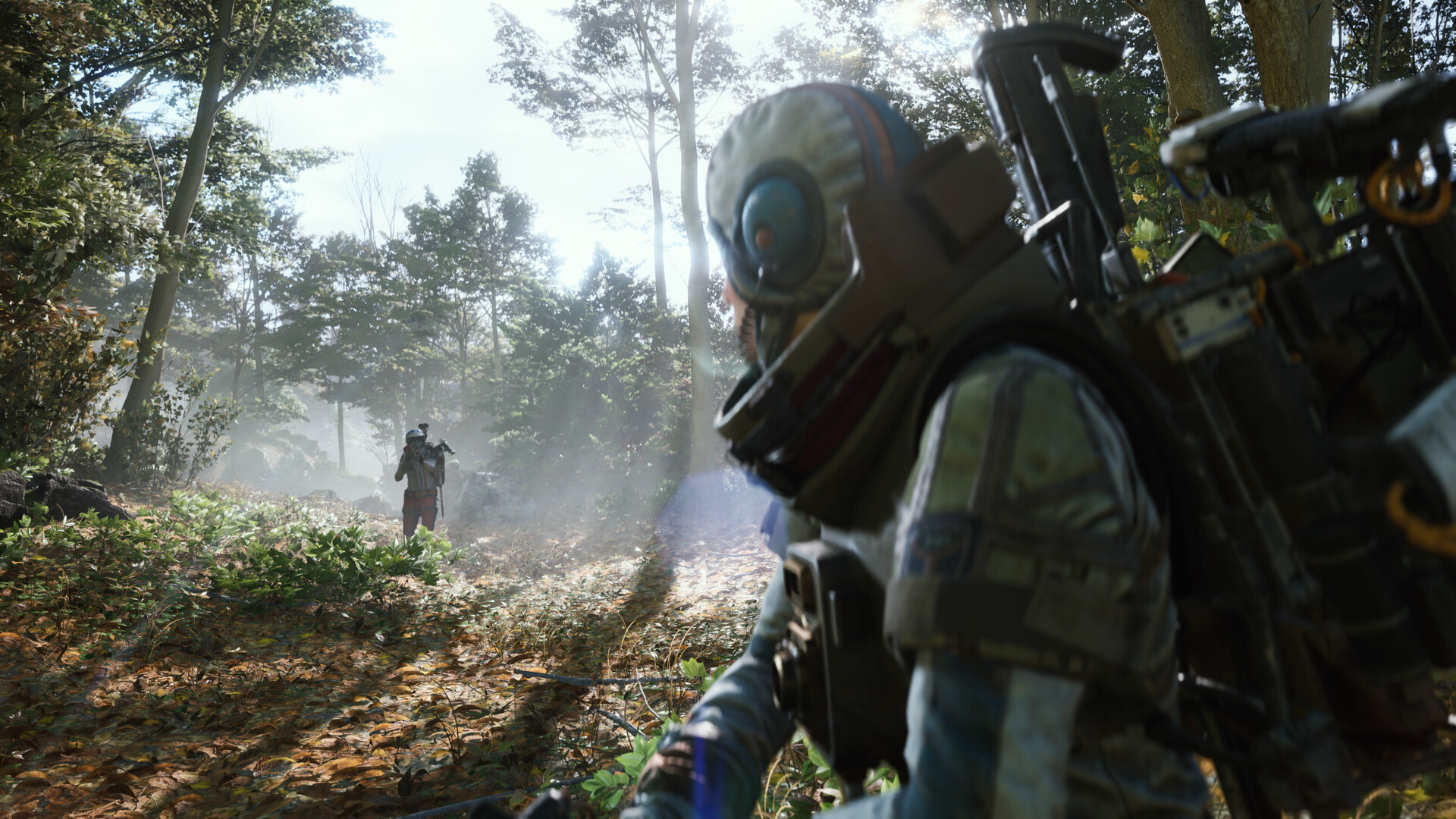
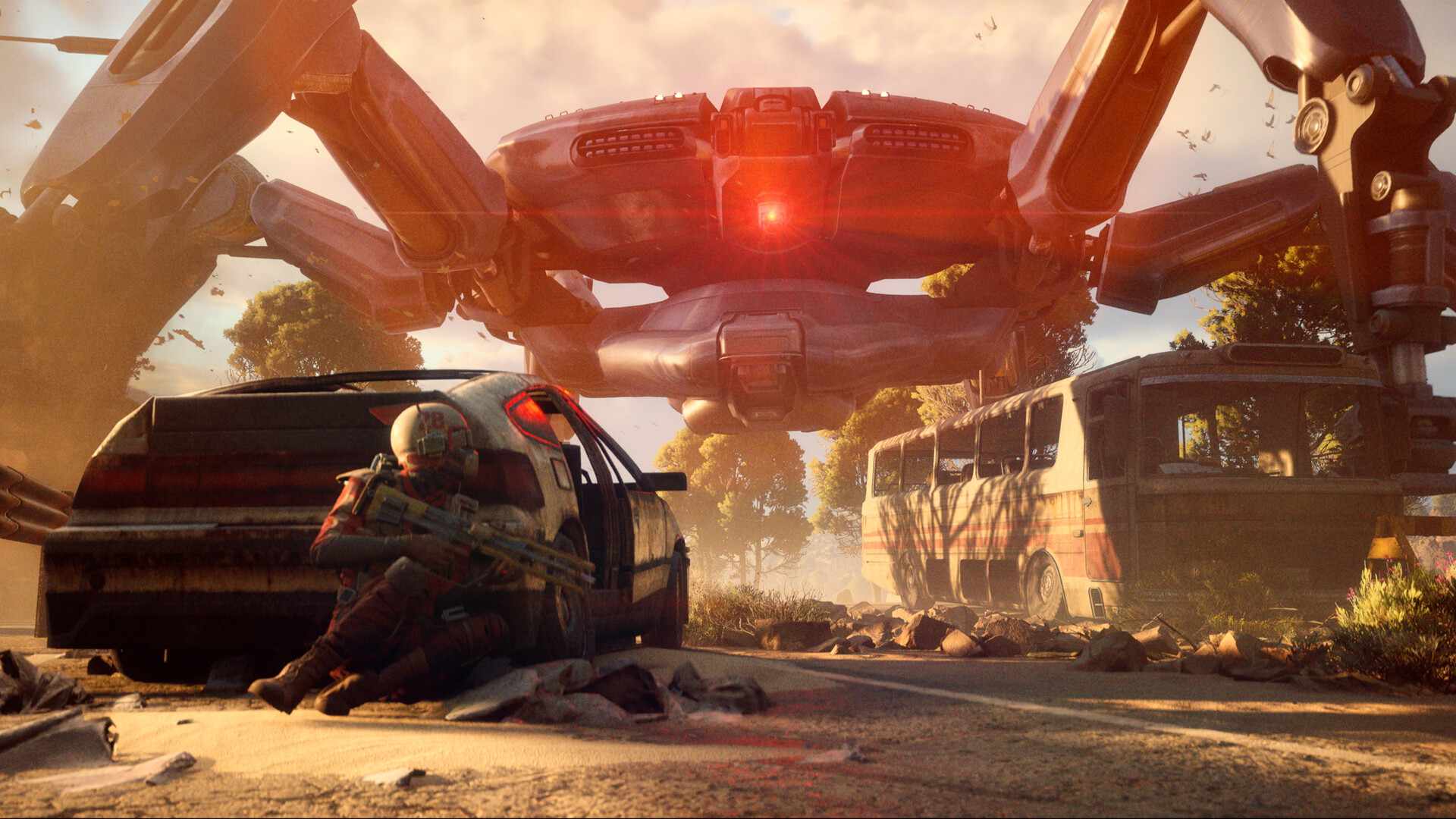
The official store copy describes ARC as lethal machines ranging from drone swarms to mechanical giants, and that range matters. Smaller threats pressure your movement and route choice, while larger threats force weak-point targeting and more deliberate engagement. The game explicitly tells you to pinpoint weak spots and think on your feet, which is a good shorthand for how these enemies function in the broader meta: they are not just health bars. They are route blockers, noise sources, and third-party magnets.
The nearest thing to a definition and effect block here is straightforward:
- ARC machines: hostile surface enemies that control territory and punish sloppy positioning.
- Raider noise: combat sound can attract other players, creating a third-party risk on top of the AI threat.
- Weak spots: targeted damage is important because each machine has distinct strengths and tactics.
- Surface versus Speranza: the workshop is safe for prep, but the topside is where the real extraction pressure happens.
Concrete examples help show the shape of the system:
- Drone swarms: useful as a baseline threat that can overwhelm unprepared movement.
- Mechanical giants: a higher-commitment enemy type that demands weak-point focus and route planning.
- Snitch Scanner-related behavior: one of the rare achievements specifically tracks an encounter where a Raider is downed by ARC enemies summoned with a Snitch Scanner, which confirms that machine interactions can be weaponized indirectly.
This is where Arc Raiders separates itself from a simple PvP shooter. The best play is often not “take every fight.” It is “understand what the environment wants to do to you, then decide whether the reward exceeds the exposure.” That includes using sound against other Raiders, but it also means not firing into a fight you cannot finish before more players arrive.
The main misread to avoid is assuming the game is just PvE with some PvP on the side. It is not. Rival players are part of the extraction geometry, and the AI noise economy is part of the same system. That overlap is exactly why the game can feel so tense even when you are not actively dueling a human opponent. See enemy types and routing and PvPvE extraction guide for adjacent coverage.
Skills, Augments, and Build Direction
Arc Raiders lets you shape your Raider through a three-branch skill tree, and that build structure is one of the strongest reasons the game reads as more accessible than the harshest extraction titles. The tree branches into Survival, Mobility, and Conditioning, and each branch expresses a different kind of raid value.
The effect is clear:
- Survival improves looting speed and quiet movement.
- Mobility helps you outmaneuver opponents and threats.
- Conditioning strengthens your stamina and physical endurance.
That is a clean and readable division, which matters in a game where many runs are decided by positioning and time-to-extract more than by raw damage output. If you are trying to decide what matters most, the answer is not “everything equally.” It is “pick the branch that reduces your most common failure state.” If you die because you are late, overloaded, or forced into bad rotations, Survival and Mobility have obvious value. If you consistently lose when fights drag out, Conditioning becomes the pressure valve.
Augments sit alongside that structure and are worth treating as a separate layer of build identity. The official description says augments tailor your loadout to your preferred playstyle by unlocking dedicated inventory slots and additional gameplay perks. That is important because it means loadout power is not only about which gun you bring. It is also about how your kit is framed, what utility space you have, and how much room you have to adapt mid-raid.
Useful build examples include:
- A Survival-first setup for players who want faster looting and less noisy movement on long scavenging runs.
- A Mobility-first setup for players who prefer repositioning, disengage potential, and route flexibility.
- A Conditioning-heavy setup for players who expect longer engagements and need more stamina stability.
- An augment-focused utility build that leans into inventory flexibility and situational perks rather than brute combat power.
The best way to think about builds in Arc Raiders is that they are loadout enablers, not hard classes. The game is not forcing rigid roles on you. Instead, it lets you bias your Raider toward the kind of raid you want to win. That is valuable in a squad because one player can lean into scouting and looting while another supports the team through sturdier mid-fight presence.
For comparable build planning, link to best skill tree paths and augment selection guide. If you are writing a squad note, the simplest practical advice is that builds should solve a problem, not chase a fantasy. In this game, a clean escape or a silent route often beats a greedy damage package.
Weapons, Tools, and Crafting: What to Bring and Why
Arc Raiders gives you enough weapon and utility variety to support distinct raid plans, and that variety is one of the main reasons it reads as a serious extraction contender. The game explicitly supports SMGs, rifles, shotguns, railguns, and energy weapons, with grenades, traps, ziplines, and deployables filling out the tactical layer. That is a broad enough sandbox to support both low-commitment runs and high-risk contesting.
A simple comparison helps here:
| Category | Typical Role | Best Use Case | When to Skip |
|---|---|---|---|
| SMGs | Close-range pressure | Tight interiors, quick reactions, fast target swaps | Long lanes or open exposure |
| Rifles | Flexible mid-range fighting | Mixed terrain, general-purpose raids, squad support | Pure indoor brawls where faster burst matters |
| Shotguns | Burst damage at short range | Ambushes, doorway holds, final-zone fights | Routes that require sustained distance control |
| Railguns | High-impact precision | Commit-to-hit engagements, priority target removal | Chaos-heavy runs with constant movement |
| Energy weapons | Specialized threat response | Situations where you expect armored or durable targets | Budget runs where versatility matters more |
The same logic applies to utility. Grenades and traps are not just kill tools; they are route control tools. Ziplines change vertical or lateral movement, and deployables let you shape a fight rather than simply react to one. That matters because extraction shooters often punish players who think only in terms of direct gunfights. In Arc Raiders, the more efficient use of a consumable is often to prevent a fight, break a line of sight, or buy the seconds needed to reach extraction.
Crafting is the bridge between what you find and what you can actually sustain. The store copy says you survive by kitbashing scavenged materials, using long-lost tech and looted ARC parts to craft weapons, gadgets, and gear. It also says you can upgrade workshop stations and learn blueprints to make more advanced items, which means your best gear path is probably not one lucky find. It is a compounding investment in workshop quality and recipe access.
Concrete examples of crafting and equipment decisions:
- Bring a shotgun plus trap setup when you expect close-quarters conflict and want to hold a choke point.
- Bring an SMG plus zipline when your plan is fast entry, fast grab, fast exit.
- Bring a rifle plus deployables when you expect to defend a position or cover a squad rotation.
- Save railgun or energy weapon options for routes where the target profile justifies the commitment.
The main mistake is overvaluing raw tier prestige. In an extraction game, a stronger gun is not automatically a better choice if it slows your looting, raises your risk, or makes you overcommit. Arc Raiders seems designed to reward the opposite mindset: bring the tool that lets you leave with value. See weapon tier considerations and crafting station priorities.
Where to Find, Unlock, or Trigger Key Systems
Arc Raiders places its important systems in three places: the workshop in Speranza, the skill tree, and raid-side interactions with the surface and its threats. That layout is important because the game’s progression does not live in one menu. It lives in a cycle between safe preparation and risky execution.
The workshop is where you craft, repair, and upgrade gear. Blueprints expand what you can make, while looted ARC parts and scavenged materials are the resource base that feeds the loop. If you are looking for the game’s practical unlock path, this is it: raid, loot, extract, improve the workshop, then return with a stronger kit. That is the chain.
The skill tree is the second major unlock lane. It has three paths:
- Survival
- Mobility
- Conditioning
You spend points there to shape your playstyle, which means the relevant question is not “what is the best build?” but “what is the best build for the raids I actually take?” If you tend to die while carrying loot, a Survival-heavy setup has obvious value. If you get cornered, Mobility and Conditioning become more attractive.
Some systems are also effectively triggered rather than unlocked. For example:
- Trials become relevant when you want leaderboard competition and reward chasing.
- Expedition Projects are the alternative to mandatory wipes, giving players a fresh-start path every eight or so weeks according to preview coverage.
- Augments matter once you want dedicated inventory slots and perk shaping.
Concrete examples of “where” this shows up:
- The workshop is your long-term improvement space.
- The surface is where ARC threats and rival Raiders force execution.
- Expedition Projects are the reset-like option for players who want a fresh start without a forced wipe model.
- Trials are the competitive layer if you want to test consistency against the field.
The most common misread is expecting all progress to be linear and account-wide in the same way. Arc Raiders mixes persistent workshop growth with raid-loss risk and seasonal-style fresh-start pressure. That is why the game can feel forgiving without becoming consequence-free. It preserves extraction tension, but it gives you more control over how much of your progress gets put at stake. For nearby guides, link to how workshop progression works and wipes and Expedition Projects explained.
Best Use Cases, and When to Skip or Replace a Setup
Arc Raiders is best used when you want extraction tension with enough progression flexibility that a bad raid does not feel like a dead end. That is the most honest answer for where the game sits in the genre. It is especially strong for players who want a play session to produce some kind of forward motion even if they do not survive every run.
The best use cases are easy to identify:
- Short, efficient runs where you want to convert a limited session into tangible workshop progress.
- Squad play up to three players, where roles can be split between scouting, damage, and utility.
- Mixed PvPvE routes, where you expect both ARC pressure and player ambush risk.
- Build testing, because the skill tree and augments let you feel the effect of different priorities without committing to a rigid class.
- Leaderboard chasing, if Trials and performance-based rewards are part of your motivation.
Arc Raiders is also a better fit than more brutal extraction games for players who value readable loss recovery. The PC Gamer coverage describes the game as unusually forgiving, and that matches the other official systems: Scrappy collects basic crafting materials between matches, the skill tree continues to reward time invested, and Expedition Projects give a way to pursue a fresh start without mandatory wipes. Those are not trivial quality-of-life touches. They change whether the game feels like a grind wall or a loop you can actually maintain.
That said, there are clear cases where you should skip or replace a setup:
- Skip a greedy combat kit if your route is resource-focused and you need to leave quickly.
- Skip overly specialized high-end weapons if the raid plan depends on flexibility rather than burst.
- Replace a high-commitment fight build with mobility or survival tools if you are playing solo and expect third-party pressure.
- Avoid overinvesting in a pure PvP mindset when the map state is likely to be dominated by ARC control zones and noise traps.
A compact comparison makes the decision clearer:
| Player Goal | Better Fit | Less Suitable Fit |
|---|---|---|
| Safe material extraction | Survival-heavy build, lightweight utility | Slow, loud, damage-first kit |
| Solo survival | Mobility, escape tools, flexible weaponry | Static hold setups |
| Squad fighting | Mixed build with utility coverage | Pure loot-speed build |
| Competitive grinding | Trials-oriented tuning | Casual throwaway kit |
| Fresh-start reset play | Expedition Project focus | Long-term hoarding mindset |
The practical rule is simple: use a kit that helps you extract, not one that only helps you win a duel. In Arc Raiders, extraction value is the currency that keeps the loop alive. For related reading, see best solo loadouts and squad composition guide.
Common Mistakes and Misreads
Arc Raiders is easy to misunderstand if you approach it like a standard shooter, and most of the bad calls come from underestimating the interaction between noise, AI pressure, and human opportunism. The game is built so that one mistake can become two problems very quickly: you draw ARC attention, and you also advertise yourself to other Raiders.
The most common mistake is treating every fight as mandatory. It is not. Because the noise of battle carries, a fight can be a signal flare. That means your default decision should be based on value, not ego. If the route reward is modest, skipping an encounter is often the correct choice. If the reward is high, you should already have a plan for the third-party risk.
Other common misreads include:
- Assuming higher-tier weapons automatically dominate. In extraction games, positioning and timing often matter more than raw tier gaps.
- Ignoring skill tree direction. Survival, Mobility, and Conditioning are not cosmetic branches; they shape how your Raider handles the raid.
- Overlooking workshop investment. Crafting and blueprints matter because they let you turn scavenged materials into stable progress.
- Treating solo play like squad play. Solo runs need more disengage value and less greed.
- Forgetting that ARC and players interact indirectly. Enemy manipulation can create openings, but it can also backfire if you linger.
A few concrete examples of mistakes that cost runs:
- Taking a loud firefight near a valuable objective, then getting pinched by another squad.
- Carrying a loadout that is too expensive for the route and then losing it to a preventable extraction failure.
- Ignoring a machine’s weak point and burning time on inefficient damage.
- Starting a raid with no plan for exit spacing or utility use.
The best correction is to build habits around exit thinking. Ask whether the route has enough value to justify the exposure, whether your loadout matches the terrain, and whether the noise you create will make the final minute harder than the first. That discipline is what separates successful extraction players from repeat reseters in this genre. For a closer match, point readers to extraction route planning and common raid mistakes.
Related Guides
Arc Raiders is best understood alongside guides that cover its connected systems rather than as a standalone beginner topic. The nearest sibling articles should focus on the parts that actually decide raid quality and long-term retention.
Useful internal-link targets:
- best Arc Raiders weapons
- Arc Raiders skill tree guide
- Arc Raiders augments explained
- workshop upgrade priorities
- wipes and Expedition Projects explained
- solo vs squad extraction strategy
Those are the guides that naturally sit next to this one because they answer the practical follow-up questions players ask after accepting the core premise: yes, Arc Raiders is the next big extraction shooter, and the real question is how you want to build, route, and extract inside it.
Sources
- https://store.steampowered.com/app/1808500/ARC_Raiders/
- https://www.pcgamer.com/games/third-person-shooter/finally-arc-raiders-is-the-extraction-shooter-for-people-with-jobs-and-its-all-the-better-for-it/
- https://news.xbox.com/en-us/2025/10/30/arc-raiders-preview/
- https://store.steampowered.com/app/1808500/
- https://howlongtobeat.com/?q=arcraiders
- https://www.metacritic.com/game/arc-raiders
- https://store.steampowered.com/app/1808500/ARC_Raiders/
See also
- Arc Raiders groundbreaking quest building picture whiteboard photo abandoned housing project Beginner Guide
- Arc Raiders flickering flames event exactly needed dlc free update Beginner Guide
- Arc Raiders how unlock azimuth outfit archeologist backpack the finals crossover Beginner Guide
- Arc Raiders 10 biggest regrets of a players wish i knew sooner: Beginner Guide
- Arc Raiders paving the way quest guide enelica building researcher flat
- Arc Raiders new steam game like minecraft dwarf delve extraction Beginner Guide
- ARC Raiders How to Complete Trials This Week Jan 5 to 12
- Arc Raiders loadout best pve pvp ferro cost free good op Beginner Guide
- Arc Raiders gamers into voice actors cl1p it with naomi kyle Beginner Guide
- Arc Raiders Expedition Guide: How to Complete All Expedition Steps Rewards and Reset Details
Capturas


Revisado por
Arc Raiders Hub Editorial
Especialidad: Editorial team behind Arc Raiders Hub. Content is compiled from official patch notes, community wikis, and playthrough notes, then reviewed and updated on schedule.
Fuentes
🔥 En tendencia ahora

Actualización de tienda de ARC Raiders 1.38.0 y el contexto de `arc raiders 2026 roadmap reddit`
La actualización de tienda 1.38.0 de Arc Raiders añade colores para Torpedo y llega junto a Expedition Departure, con contexto del roadmap 2026 sobre nuevos mapas y ARCs.
ARC Raiders Star Wars Zero Company Podría Darle su Momento a las Tácticas por Turnos
Qué significa la frase, qué es Star Wars Zero Company y por qué podría impulsar las tácticas por turnos.
Explicación del Roadmap de Arc Raiders 2026 y las notas del parche de mayo
Arc Raiders 2026 roadmap de mayo explicado: cuatro meses de nuevos mapas, ARCs y cambios de rutas, además de la actualización de tienda 1.38.0 del 1 de julio.
Notas del parche de Arc Raiders 2026-07-30 explicadas
Notas del parche de Arc Raiders 2026-07-30 explicadas: Temporada 5 de Trials, recompensas del crossover con The Finals, contexto del reset de Expedition y qué hacer ahora.
📋 Notas del parche explicadas
🛠️ Herramientas populares
¿Te resultó útil esta guía?
Valora esta guía para ayudarnos a mejorarla.
Share your own tip
Found something not in the guide? Submit it below — our editors review every tip before publishing. No account required.