 Arc Raiders
Arc Raiders Buried City Beginner Guide
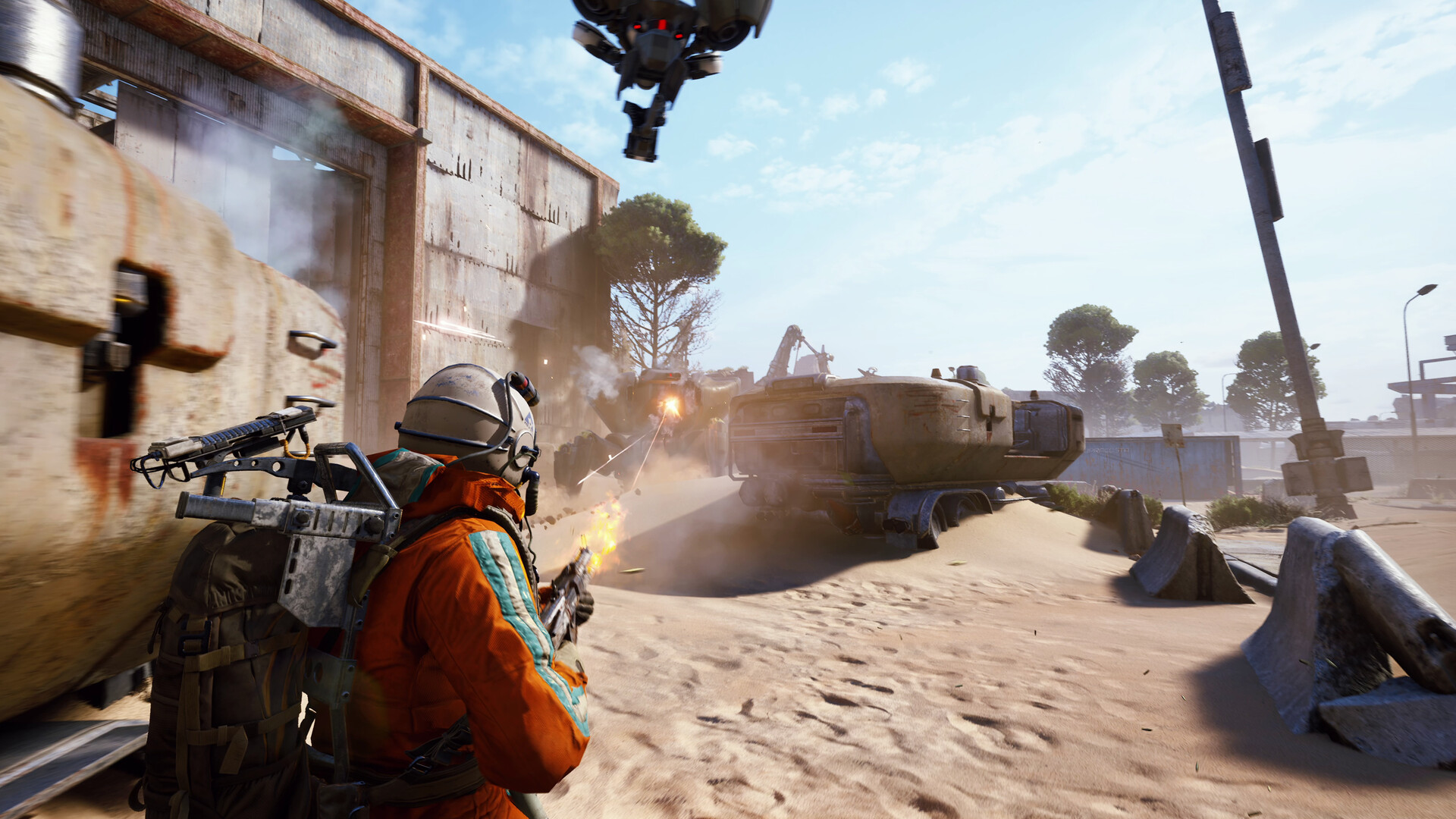
Quick Answer: Arc Raiders Buried City is best approached as a careful extraction run: learn the layout, prioritize survival over fights, loot efficiently, leave early if needed, and use every raid to build a safer, stronger loadout for the next one.
What Arc Raiders Buried City Is and Why Beginners Struggle There
Arc Raiders Buried City is a high-risk extraction area where new players often get overwhelmed because the map rewards awareness, route planning, and restraint more than raw aim. The setting is a hostile future Earth under pressure from the ARC threat, and the game is built as a multiplayer extraction adventure Source. That means every run is a decision-making exercise: push deeper for better loot, or extract early and bank what you have. For beginners, the city feels punishing because there are at least three pressure layers at once: enemy patrols, other Raiders, and the constant risk of losing what you carry if you overstay.
If you are coming in fresh, the biggest mental shift is this: Arc Raiders Buried City is not a traditional shooter where every fight is worth taking. In practice, the safer approach is often to avoid a noisy engagement, use cover to break line of sight, and choose fights only when they create a clear advantage. For example, a lone player trying to hold an open street against ARC machines, then a second squad showing up from a side alley, is a common failure pattern. A better response is to use buildings, doorframes, and elevation to disengage and reposition. Another common scenario is getting tempted by a visible crate or a downed enemy and exposing yourself to a third-party angle. The beginner lesson is to treat every loud action as a signal that something else may be moving toward you.
The game’s overall length also tells you why early discipline matters. HowLongToBeat lists roughly 38.43 hours for the main story, 73.74 hours with extras, and 157.95 hours for completion Source. Even if you never aim for completion, that spread suggests a game designed around gradual mastery rather than instant comfort. Players who do well early tend to be the ones who learn one safe extraction loop, one reliable loot route, and one defensive plan against common ARC encounters such as drones and heavier machines.
For context, the game is doing well enough to have a large active community, and that matters for beginners because there are many available examples to learn from. Steam’s official review summary is currently “Very Positive” at 82.8% positive across 408777 reviews, with about 25854 players in game on Steam right now Source. That means you are joining a game with a mature playerbase, but also one where people have already optimized the obvious mistakes. To catch up, focus on fundamentals first, not flashy PvP wins.
The beginner mindset that works
- Treat loot as progress only after extraction.
- Avoid unnecessary firefights until you understand sound, spacing, and retreat routes.
- Assume every busy area can attract both ARC and Raiders.
- Learn the map by surviving, not by forcing every objective in one run.
First-Hour Checklist for Arc Raiders Buried City
Your first hour in Arc Raiders Buried City should be spent learning controls, testing safe movement, finding one reliable loot pattern, and extracting with something meaningful rather than chasing a “perfect” run. The goal is to leave the first session with a working baseline: you know how loud you are, what items matter, where you can hide, and how risky your chosen route really is.
1) Complete the basic onboarding and practice space
Start by doing the tutorial or training content, then test the actions you will use constantly: sprinting, crouching, leaning if available in your control setup, inventory management, item swapping, and extraction flow. If the game gives you a practice range or a controlled environment, use it to compare a few weapon types and get used to recoil and hip-fire versus aimed fire. Two examples matter here: firing at a stationary target to understand spread, and moving between cover points to understand how quickly you expose yourself in open ground. A third useful test is checking how long it takes you to open loot and move items into your bag under pressure, because inventory handling is one of the most common beginner choke points.
2) Pick one low-risk route and repeat it
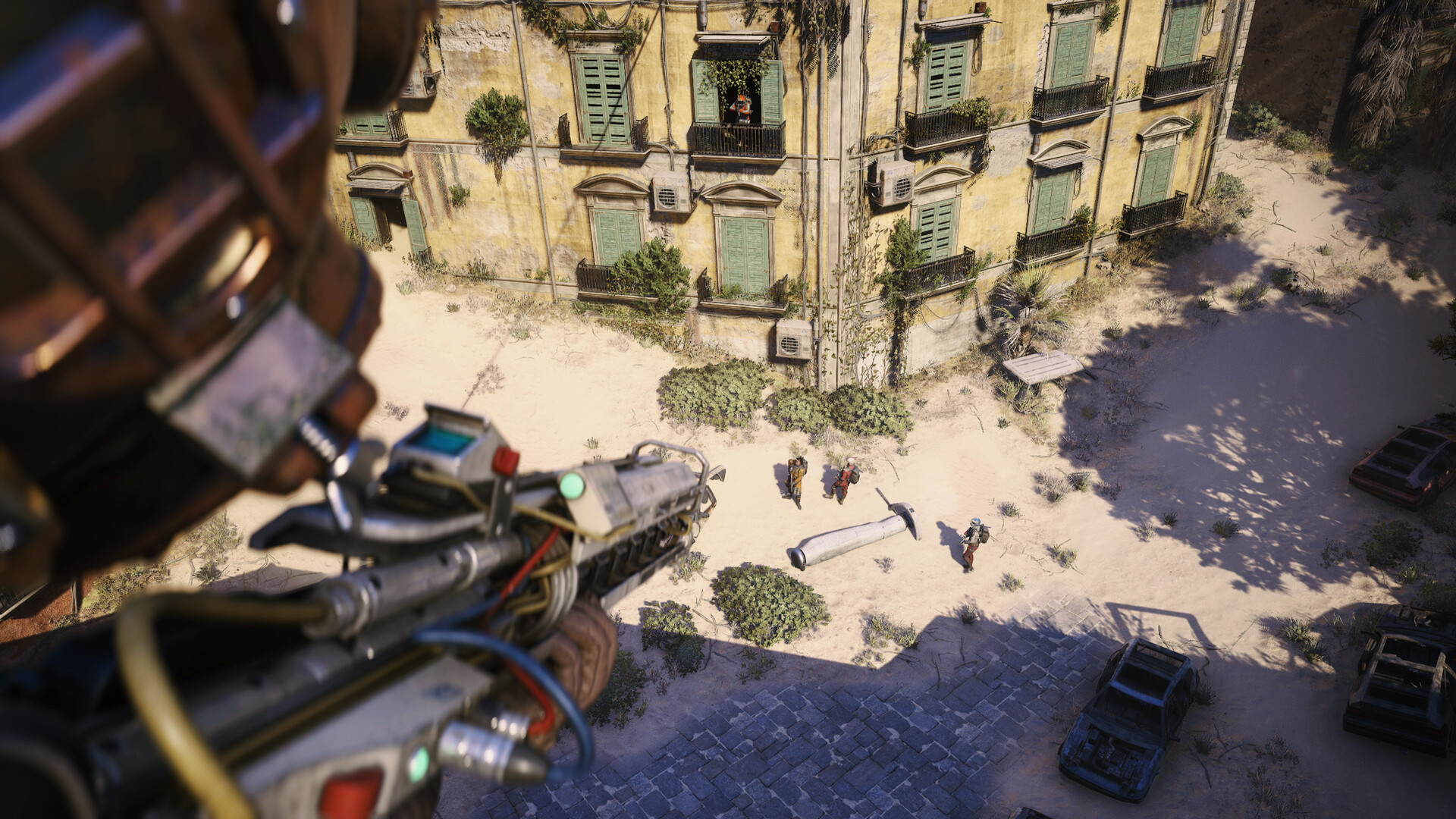
In Arc Raiders Buried City, your first route should be boring on purpose. Choose a route with buildings, multiple exits, and enough cover to break line of sight. If the map offers districts, alleys, metro access, plazas, or rooftop connections, pick the one that lets you disengage easily rather than the one that looks richest on paper. Example patterns include a loop through a side street with indoor entry points, a cautious pass through a half-looted block, or a short route from spawn to a nearby extraction point. Repeating the same path teaches you enemy placements, choke points, and the sounds of other players moving through the area.
3) Extract once with a modest haul
Your first successful extraction matters more than your first kill. Aim to leave with a mix of basic currency, crafting materials, healing items, and one weapon or mod upgrade if the game allows it. Even a small, safe haul teaches you the real loop: enter, loot, survive, extract, improve. If you die after collecting a fancy item but before leaving, you learn the harsher lesson of extraction shooters the hard way. A safe extractions-first mentality keeps you from throwing away the next 20 minutes for one greedy mistake.
4) Identify two enemies and one threat response
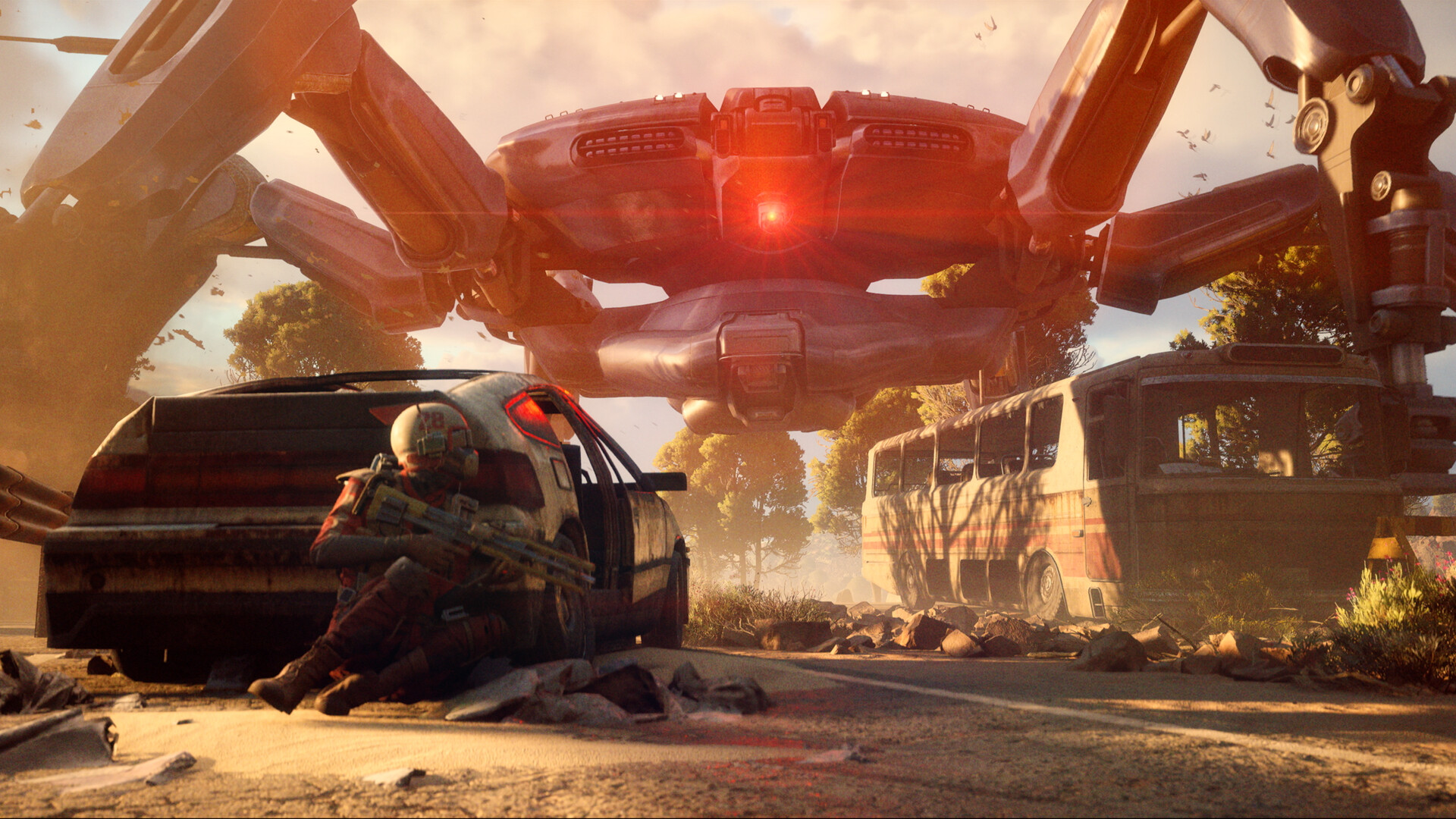
During your first hour, you should be able to recognize at least two common ARC threats and one player threat pattern. For example, if a drone-like unit spots you in the open, your default should be to break line of sight and relocate; if a stronger machine hears you, your default should be to relocate again rather than stand and trade damage; if another Raider starts fighting nearby, your default should be to wait, flank, or leave. That is enough information to keep your runs alive while you build map knowledge. You do not need perfect combat confidence yet.
5) Bank your gains immediately after a successful run
Once you extract, spend the session end in the safest way possible: sort loot, mark what is worth keeping, identify what you can sell or dismantle, and note which items you are short on. If the game offers stash management or base progression, use that time to understand what is persistent and what is expendable. Your first hour should end with a clear answer to one question: “What should I bring next time, and what should I stop carrying?”
You might also like
- ARC Raiders Arc Raiders gadgets you believed useless but are op in cold snap
- Arc Raiders Hurricane Map Condition and First Wave Hidden Cache Locations: Beginner Guide
- Arc Raiders paving the way quest guide enelica building researcher flat
- Arc Raiders how unlock azimuth outfit archeologist backpack the finals crossover Beginner Guide
- Arc Raiders 10 biggest regrets of a players wish i knew sooner: Beginner Guide
Resource Priority Order: What to Spend, Hoard, and Craft First
Your resource priority in Arc Raiders Buried City should be survival items first, progression materials second, and luxury upgrades last. In an extraction game, a resource is only “valuable” if it helps you survive long enough to extract, so beginners should think in terms of runway, not max efficiency. The safest rule is to protect anything that improves your chances of leaving the raid alive, then use leftovers for comfort, and only later optimize for damage or specialization.
Priority order at a glance
| Priority | What to do with it | Why it matters early | Example use case |
|---|---|---|---|
| 1 | Keep healing, ammo, and escape tools | These directly increase extraction odds | Surviving a bad ambush, surviving chip damage, retreating after a third-party arrives |
| 2 | Hoard basic crafting and upgrade materials | Early progression often stalls from missing components | Building a more reliable primary loadout or utility item |
| 3 | Spend on one stable weapon setup | Consistency beats variety when learning | Running a familiar rifle/SMG-style option rather than swapping every raid |
| 4 | Save rare or high-value items for later | Beginners often waste rare pieces too early | Holding onto a strong mod or scarce component until you know your build path |
| 5 | Delay cosmetic or convenience spending | These rarely help you survive | Using currency on appearance before your stash is stable |
The most important hoard category is usually anything that supports repeated raids: healing, ammunition, utility, and materials that unlock steadier gear. If you burn through those on unnecessary experimentation, your next run becomes weaker by default. By contrast, the first things you can safely spend are duplicates or clearly replaceable commons that do not change your survival rate. That includes spare low-tier weapons once you already have one reliable option, and excess crafting parts that do not unlock a critical upgrade path.
A good example of spending discipline is choosing one weapon and one defensive habit to invest around. If a rifle-style primary is working for you, funnel resources into keeping it usable, rather than buying into a second weapon category that you do not understand yet. Another example is using utility items for learning instead of hoarding them forever. A smoke-like escape item, a lure-style distraction, or any consumable that can break a bad engagement is worth far more when it helps you extract with a backpack full of progress. A third example is withholding rare drops until you know whether you prefer stealth, mid-range control, or close-quarters pressure.
Beginners also need to understand the difference between “spend now” and “craft now.” Spend now on items that solve immediate problems, like healing and ammo economy. Craft now only if the item is likely to be used on the very next raid or unlocks a known power spike. Hoard now if the item is rare, unclear, or likely to become more useful once you understand the meta better. This mindset keeps you from turning a lucky early stockpile into a pile of regretted purchases.
Simple early resource rule
- Spend on survival first.
- Hoard flexible materials until a specific upgrade needs them.
- Craft only what improves your next two or three runs, not your theoretical endgame.
Common Mistakes New Players Make in Arc Raiders Buried City
New players usually fail in Arc Raiders Buried City because they overcommit, underprepare, or misunderstand what actually causes a run to collapse. The game punishes greed more often than aim weakness, so most beginner errors are fixable with better pacing and better discipline. Below are the most common mistakes, why they happen, and exactly how to correct them.
1) Fighting every enemy you see
Beginners do this because most shooters teach aggression as progress, but extraction gameplay rewards selectivity. You do not need to clear a street full of threats if the path around it is safer. The fix is to ask one question before every fight: “Does winning this engagement help me extract?” If the answer is no, move. Examples include bypassing a patrol that is not blocking your objective, ignoring a distant enemy that has not detected you, or waiting out a loud fight between two other groups instead of joining it.
2) Looting in the open
Beginners often stand still at the worst possible time because a glowing item or container feels urgent. That habit makes them easy prey for both ARC and enemy Raiders. The fix is to loot only after you have cover, a route out, and a rough sense of nearby noise. If you down an enemy, loot from the safest angle, not the flashiest angle. If you find a good stash in the middle of a dangerous lane, tag it mentally and come back only if the area stays quiet.
3) Carrying too much for too long
New players tend to overpack because “more loot” feels like success, but full bags make you slower to decide and more reluctant to disengage. The fix is to define a personal extraction threshold before the raid starts: once you have enough useful items for a meaningful upgrade, leave. For example, if you already have healing, ammunition, and one or two high-value materials, extracting immediately is often smarter than adding one more random component. That way, a lucky run becomes banked progress instead of a near-miss.
4) Ignoring sound and vertical space
Beginners fall into this because they focus on what is in front of them and forget that extraction shooters are heavily shaped by audio and elevation. The fix is to stop sprinting in exposed areas unless you have a reason, and to treat rooftops, stairwells, and upper floors as threats and opportunities. If you hear movement above you, assume someone can drop or peek. If you are on high ground, use it to watch a route, not to stay visible in the open.
5) Burning all consumables at the first sign of trouble
Players do this because they panic after taking damage and want immediate safety. The problem is that spending every utility item early leaves you helpless later, especially when the real danger arrives near extraction. The fix is to set a damage threshold for yourself. If the fight is minor, reposition and heal behind cover. If the fight is escalating, use a utility item only to change the situation, not just to delay the inevitable. Save at least one emergency option for the return trip.
6) Leaving the map without a plan
Some beginners reach a bad state, then wander until a random exit appears. That often ends in a worse death than the original fight. The fix is to always know two routes out: a primary extraction path and a backup route if the first becomes unsafe. Examples include taking an alternate corridor if a lane is occupied, circling through a building if the street is exposed, or backing off early when you hear another squad near your exit. A planned retreat is much more reliable than a desperate scramble.
Common Mistakes
The following mistakes are worth treating as permanent warning signs in Arc Raiders Buried City.
Chasing every gunshot — Players hear combat and assume loot or kills are waiting.
Why it happens: It feels like the “action” is where progress lives.
Fix: Approach only if you can flank, third-party safely, or extract with the risk under control.Running straight routes across open ground — Players want speed and think sprinting is safer.
Why it happens: They underestimate sightlines and machine aggression.
Fix: Move cover to cover, use buildings, and break line of sight every time you cross a dangerous lane.Treating rare drops as automatic keepsakes — Players stash valuable items but never use them.
Why it happens: Fear of losing something good is strong in extraction games.
Fix: Decide in advance which rare items are “use next raid” and which are “save for a specific build.”Ignoring extraction timing — Players stay too long because the map still has loot.
Why it happens: The next container always looks tempting.
Fix: Extract once your current haul already advances stash stability or upgrade progress.Underestimating weak enemies — Players think only bosses or heavy units matter.
Why it happens: Small threats feel manageable until they stack with noise and third parties.
Fix: Clear or bypass basic threats with the same care you reserve for stronger ones, especially near choke points.
Pro Tips for Safer Progress and Better Runs
The best beginner tips in Arc Raiders Buried City are the ones that create margin for error, because margin is what keeps a run alive when the situation changes. These are not flashy tricks; they are practical habits that work when your aim is average and the map is still unfamiliar.
Tip 1. Use noise as a scouting tool
If you hear gunfire, machine movement, or a nearby engagement, pause before moving in. Noise tells you where players are already committed, which often means the safest path is around the conflict rather than through it. A fight near a plaza, a stairwell, or a loot room is especially valuable information because it can mark both a distraction and a trap.
Tip 2. Fight from angles that let you leave
Whenever you take a shot, make sure your position has a second exit. A doorway with a side hall, a rooftop with a ladder route, or a corner near another building is much better than a dead-end alley. If you cannot leave after firing, you are not in a good beginner position.
Tip 3. Make your first shots count
At close and mid-range, the opening burst matters more than sustained panic fire. If you start a fight, try to begin from cover and with a clear line to the target, whether that target is a drone-like ARC unit or another Raider. Even if you do not secure the down, forcing the opponent to react first often gives you time to reposition.
Tip 4. Learn one safe extraction pattern per session
Do not try to master the whole city in one evening. Instead, identify one route that feels consistently survivable, then repeat it with slight variations. For example, one raid might test the route in daylight-like visibility, another might test the same route while carrying extra loot, and a third might test it after a noisy encounter. That repetition reveals where you are actually vulnerable.
Tip 5. Keep one emergency item untouched
If your loadout includes any utility that creates distance, concealment, or disruption, save one copy for the final leg of the raid. Beginners often spend everything after the first mistake and then lose the exit to a second, worse mistake. The better habit is to treat the last escape tool as untouchable unless the raid is already unrecoverable.
Tip 6. Track what killed you, not just who killed you
After a failed run, identify the cause: poor route choice, over-looting, bad timing, or noisy movement. For example, if you died because you sprinted into a contested lane, the fix is route discipline; if you died because you stayed to loot after a firefight, the fix is timing. This is how you turn deaths into improvement instead of frustration.
Graduation Threshold: How to Know You’re Out of the Beginner Phase
You are out of the beginner phase in Arc Raiders Buried City when you can consistently survive your chosen route, make purposeful loot decisions, and extract without relying on luck or panic. The clearest sign is not raw kill count; it is whether your raids look intentional. If you can enter with a plan, adjust when that plan changes, and leave with something useful more often than not, you have moved beyond the basics.
A practical way to judge readiness is to look for consistency across three areas. First, you should be able to navigate a familiar section of Buried City without getting lost or exposing yourself repeatedly. That means you know where to rotate when a lane is blocked, where indoor cover exists, and how to stop a fight from becoming a chase. Second, your inventory decisions should improve. Beginners often leave with random junk; more advanced players leave with a curated haul that clearly supports their next upgrade or build. Third, your combat choices should become selective. Instead of asking “Can I win this?” you start asking “Do I need this fight?” That change in question is usually the biggest milestone.
A useful benchmark is whether you can handle common pressure scenarios in a controlled way. For example, if a patrol interrupts your looting, you should know how to disengage without dropping the whole run. If another team appears during extraction, you should have a backup route or an alternate angle already in mind. If an ARC unit forces movement, you should know whether to flee, reposition, or use the environment against it. Once those responses feel routine, you are no longer playing as a pure beginner.
The broader game context supports that learning curve. Steam’s review summary is currently “Very Positive” at 82.8% positive across 408777 reviews, and the game has 294567 Steam recommendations listed in the provided stats Source. A game with that level of engagement tends to reward players who keep refining fundamentals over time. In practice, that means your next phase is not “know everything”; it is “know enough to make repeated good decisions.” When you reach that point, Buried City stops feeling like a hazard and starts feeling like a system you can read.
Signs you are ready to move on
- You can complete a run without panic-looting.
- You can choose between fighting, avoiding, and extracting.
- You know at least one reliable route through the city.
- You are building toward a specific loadout rather than using whatever drops.
Related Guides
- grid quest security sensors security Arc Raiders tier list and early weapon priorities
- related guide Arc Raiders best beginner loadouts
- arc raiders naomi tips Arc Raiders Buried City map walkthrough and extraction routes
- related guide Arc Raiders crafting and stash management guide
- picture whiteboard photo abandoned housing Arc Raiders solo play tips
- related guide Arc Raiders duo and squad coordination guide
FAQ
Is Arc Raiders Buried City good for solo players?
Yes, it can be, but solo play is less forgiving because you have no teammate to trade revives, scout angles, or split attention. Solo beginners should prioritize quiet routes, shorter raids, and extraction timing over aggressive looting.
Should I fight ARC enemies or avoid them early on?
You should avoid most unnecessary ARC fights early on unless they block your route or hide a resource you really need. A beginner’s value comes more from surviving with loot than from clearing enemies for its own sake.
What should I bring into Buried City on my first runs?
Bring the most reliable weapon you can control, enough healing to recover from mistakes, and one utility item that can help you disengage or reposition. Do not overpack with gear you are afraid to lose but do not understand how to use.
How do I know if I’m spending too much time looting?
If you are staying in an area after your bag already contains useful healing, ammo, and upgrade materials, you are probably staying too long. A good rule is to leave once the run already meaningfully improves your stash or next loadout.
Is it better to play aggressive or passive as a beginner?
Passive-to-selective is better for beginners. You do not want to hide forever, but you also should not force fights. Pick encounters that are isolated, winnable, and useful to your extraction plan.
Sources
- https://store.steampowered.com/app/1808500/
- https://howlongtobeat.com/?q=arcraiders
- https://store.steampowered.com/app/1808500/
- https://www.metacritic.com/game/arc-raiders
- https://www.cheapshark.com/redirect?dealID=ZM9YS4D%2BeNvb3kNtsqBQZ80NvlL6XI%2F2epzwisU7%2BYI%3D
See also
- Arc Raiders flickering flames event exactly needed dlc free update Beginner Guide
- ARC Raiders How to Complete Trials This Week Jan 5 to 12
- Arc Raiders loadout best pve pvp ferro cost free good op Beginner Guide
- Arc Raiders new steam game like minecraft dwarf delve extraction Beginner Guide
- Arc Raiders gamers into voice actors cl1p it with naomi kyle Beginner Guide
- Arc Raiders keeping the memory quest helmet formicai hills location
- Arc Raiders what to do with breathtaking snow globe epic trinket: Beginner Guide
- Arc Raiders how damage arc enemies in old town trials guide
- ARC Raiders Beginner Guide
- Arc Raiders Beginner Guide
Screenshots


Reviewed by
Arc Raiders Hub Editorial
Expertise: Editorial team behind Arc Raiders Hub. Content is compiled from official patch notes, community wikis, and playthrough notes, then reviewed and updated on schedule.
Sources
ARC Raiders Progression Guides →
Browse the complete progression collection and its focused guides.
Related Guides
%27/><stop offset=%271%27 stop-color=%27hsl(320,50%,18%)%27/></linearGradient></defs><rect width=%27460%27 height=%27215%27 fill=%27url(%23g)%27/><text x=%27230%27 y=%27115%27 text-anchor=%27middle%27 font-family=%27sans-serif%27 font-size=%2724%27 font-weight=%27700%27 fill=%27rgba(255,255,255,0.85)%27>App 1808500</text><text x=%27230%27 y=%27142%27 text-anchor=%27middle%27 font-family=%27sans-serif%27 font-size=%2711%27 fill=%27rgba(255,255,255,0.6)%27>no image yet</text></svg>)


🔥 Popular Guides
arc raiders kettle nerf patch notes: Patch Notes Explained for Store Update 1.43.0
Store Update 1.43.0 adds Roamer Set and Phantom Targets event, with restart-required rollout details and player actions.
ARC Raiders patch notes and updates: Store Update 1.43.0 explained
Store Update 1.43.0 adds the Roamer Set, Phantom Targets Event, and Anomalia Outfit. Learn what changed and what to do now.

ARC Raiders arc raiders patch notes today: Patch Notes Explained
Store Update 1.43.0 adds the Roamer Set and Phantom Targets event, with the reward window running until September 06.
ARC Raiders Beginner Guide: Smart Start, Safe Progress, and Early Wins
Learn the best first-hour checklist, resource priorities, common mistakes, and when you’re no longer a beginner in ARC Raiders.
📋 Patch Notes & Updates
🛠️ Popular Tools
Frequently Asked Questions
Quick answers from the guide · click a question to expand.
Is Arc Raiders Buried City good for solo players?
Yes, it can be, but solo play is less forgiving because you have no teammate to trade revives, scout angles, or split attention. Solo beginners should prioritize quiet routes, shorter raids, and extraction timing over aggressive looting.
Should I fight ARC enemies or avoid them early on?
You should avoid most unnecessary ARC fights early on unless they block your route or hide a resource you really need. A beginner’s value comes more from surviving with loot than from clearing enemies for its own sake.
What should I bring into Buried City on my first runs?
Bring the most reliable weapon you can control, enough healing to recover from mistakes, and one utility item that can help you disengage or reposition. Do not overpack with gear you are afraid to lose but do not understand how to use.
How do I know if I’m spending too much time looting?
If you are staying in an area after your bag already contains useful healing, ammo, and upgrade materials, you are probably staying too long. A good rule is to leave once the run already meaningfully improves your stash or next loadout.
Is it better to play aggressive or passive as a beginner?
Passive-to-selective is better for beginners. You do not want to hide forever, but you also should not force fights. Pick encounters that are isolated, winnable, and useful to your extraction plan.
Was this guide helpful?
Rate this guide so we can improve it.
Share your own tip
Found something not in the guide? Submit it below — our editors review every tip before publishing. No account required.