 Arc Raiders
ARC Raiders Beginner Guide: Your First Steps in ARC Raiders PvE

ARC Raiders throws you into a tense extraction loop where every decision matters: what to carry, when to fight, when to run, and when to leave with your loot. Because ARC Raiders is a multiplayer extraction adventure, set in a lethal future earth, ravaged by a mysterious mechanized threat known as ARC Source, the beginner experience is less about “learning all the systems” and more about building survival habits fast.
If you are coming in specifically for arc raiders pve, the good news is that the game’s PvE pressure teaches core habits very clearly. The bad news is that the ARC threat can punish sloppy movement, noisy fighting, and greedy looting. This guide focuses on the first hour, the first practical priorities, and the safety habits that help new players extract more often than they die.
What to Focus on in the First 60 Minutes
Your first hour should not be spent trying to become a perfect combatant. In an extraction game, early progress comes from understanding the loop:
- Enter with a simple goal.
- Collect useful materials.
- Avoid unnecessary fights.
- Extract before the run goes sideways.
That sounds basic, but it is the foundation of good ARC Raiders play. In arc raiders pve, the environment is often more dangerous than your loadout suggests, especially when you do not yet understand patrol paths, sound cues, and the limits of your gear.
Start by treating your first few outings as scouting runs. Explore one area at a time instead of chasing every marker on the map. Learn what containers are worth opening, what enemies can be safely avoided, and how long it takes you to reach an extraction point after a fight. If the game gives you a practice space, use it to test recoil, reload timing, and basic movement without risking your inventory.
A useful beginner mindset is to set a “good enough” goal for each run. For example:
- bring back one or two valuable resources
- complete one objective
- survive more than you engage
- leave before your inventory is overloaded with junk
That approach is more productive than trying to maximize every trip. In extraction shooters, consistency is stronger than heroics.
Learn the difference between safe progress and risky progress
Safe progress means you are moving, looting, and learning without forcing combat. Risky progress means you are chasing loud fights, opening exposed containers, or staying too long in contested space.
If you are unsure whether to push forward, ask yourself: “Will this help my next run, or just this one?” Beginners often overvalue immediate gains and undervalue repeatable habits. The latter matter more.
The Most Important Tasks Right After the Tutorial
Once the tutorial ends, your immediate job is to reduce confusion. Do not sprint into your next run without doing a quick setup pass.
1. Check your loadout and inventory rhythm
Before heading out, understand what each slot is for and what you are willing to lose. In extraction games, a “good” starter loadout is usually the one you can replace easily. A flashy weapon means little if you panic and waste ammo, then die with a backpack full of valuables.
Build the habit of asking:
- What am I carrying that I cannot afford to lose?
- What is already replaceable?
- What do I need for the next upgrade or craft?
If your stash management feels messy, fix that first. A tidy inventory makes decision-making faster during a raid.
2. Make your first runs about information
Your earliest missions should be information gathering more than resource farming. Learn:
- where enemies tend to appear
- which routes have cover
- where you can disengage safely
- which locations are easy to revisit
That knowledge is worth more than one lucky extraction full of random items. The more you know, the less often you will get trapped by the map.
3. Use co-op habits even if you play solo
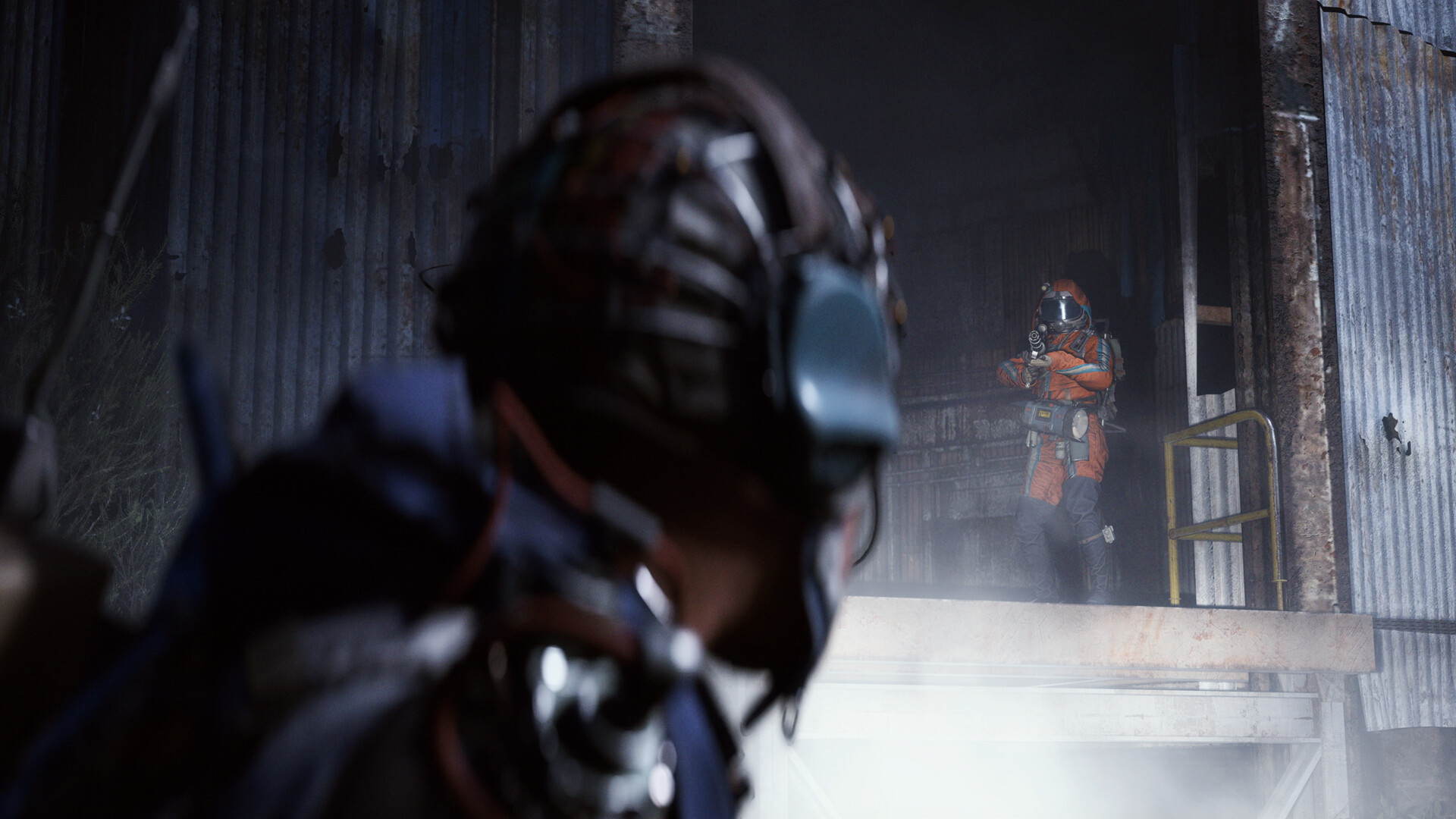
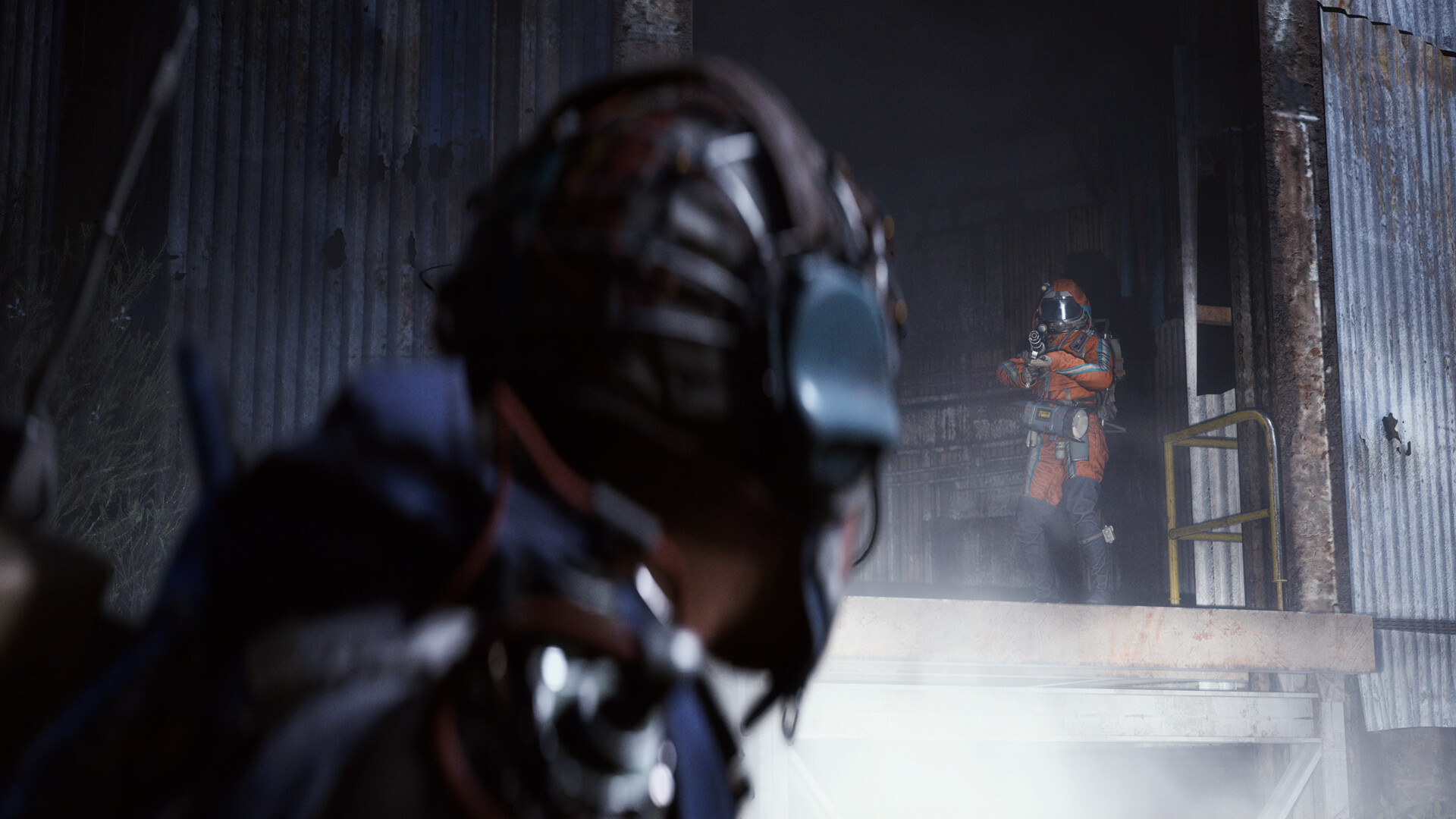
ARC Raiders can be played solo or in teams of two or three Source. Even if you are running alone, think like a teammate: announce your position mentally, avoid stepping into blind corners, and leave room to retreat. If you do play with others, agree on a simple rule before launching: who leads, who watches flanks, and when the team breaks off.
For solo players, the biggest upgrade is not raw aim. It is disciplined movement.
4. Learn when to disengage
New players often keep shooting because they have already “started the fight.” That is a trap. In an extraction environment, a fight that lasts too long attracts more danger and burns resources you may need later.
If a fight is drawing attention, your escape plan should already be in motion. Running away is not failure if it preserves your inventory and your objective progress.
What to Prioritize: Resources, Time, and Attention
Resource prioritization is where many beginners lose momentum. You do not need everything you see, and you definitely do not need to carry every item type home.
Prioritize progression resources over convenience loot
In your first sessions, focus on items that clearly support:
- gear improvement
- crafting or upgrades
- healing or survival
- mission completion
Common-value junk can wait unless you already know it feeds an important system. When in doubt, choose materials that are likely to improve future raids rather than items that only feel profitable in the moment.
Save rare items for confirmed exits
If something looks expensive, that does not mean it should stay in your pack until the end of the raid. In fact, the safer play is often to extract earlier once you secure a key item. Extra minutes in the field usually create extra risk, not extra value.
Invest in map knowledge before combat power
The strongest beginner upgrade is understanding. A player who knows where to rotate, where to hide, and where to reset a fight will outperform a player with better gear but poor map awareness.
This is especially true in arc raiders pve, where enemy pressure can punish bad positioning faster than bad aim.
Don’t over-prioritize kills
Kills can feel rewarding, but they are not always the best use of your time. If a target is in a poor position, or if engaging it would drain ammo and healing, let it go. Preserve your resources for exits, objectives, and the next encounter.
Panic Buttons: What to Remember When a Run Goes Bad
Every beginner eventually has a raid that turns chaotic. You get flanked, low on ammo, half-lost on the map, and suddenly every second feels expensive. That is where panic buttons matter.
1. Break line of sight first
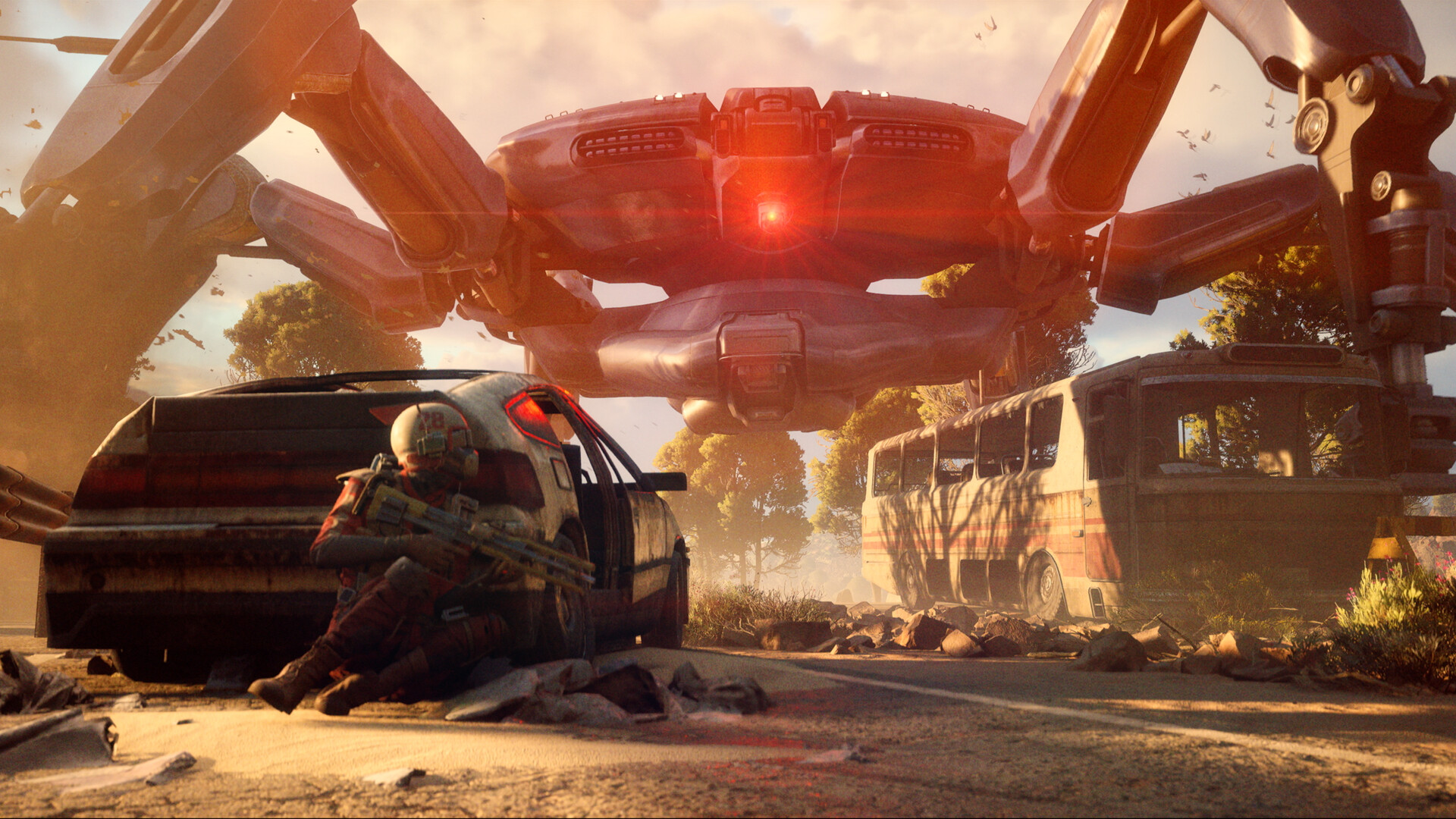
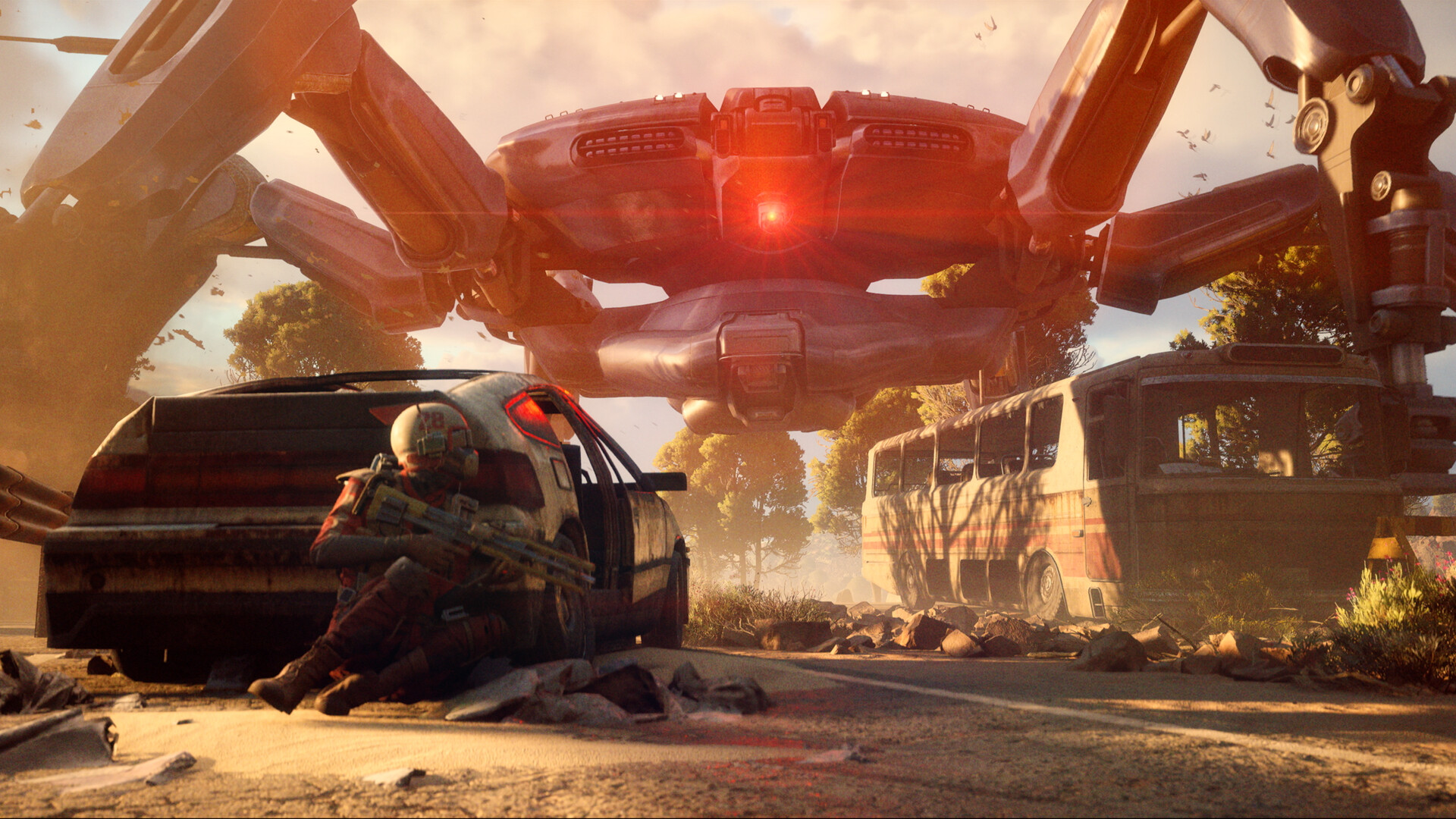
If an enemy is pressuring you, do not stand in place trying to “finish the fight.” Move behind hard cover immediately. Your first goal is to stop taking damage, not to deal more.
2. Reset the engagement
Once you break line of sight, reload, heal, and listen. Many players die because they re-peek too quickly. Give yourself a moment to recover, then re-enter only if the situation is stable.
3. Change elevation or angle
If the route ahead is compromised, don’t stubbornly keep the same path. Move to a different angle or level if possible. Small route changes can turn a doomed run into a successful escape.
4. Abandon the objective if needed
This is one of the hardest lessons for new players. If completing the task means risking the entire run, leave. A partial success that returns loot is better than a perfect mission that ends in a wipe.
5. Use sound carefully
Noise is information, but it is also exposure. Sprinting, firing repeatedly, and lingering near enemies all make your position easier to read. When the situation becomes dangerous, move with intention and avoid making your retreat obvious.
End of Your First Session: What Success Looks Like
Your first session does not need to end with a perfect haul. A good first session ends with clarity.
Before logging off, do a quick checkpoint:
- Did you extract at least once, or at least survive long enough to learn something useful?
- Did you identify one route, one enemy pattern, or one resource type worth revisiting?
- Did you understand which gear felt comfortable and which felt awkward?
- Did you come away with a plan for the next run?
That simple review is important. It turns scattered experience into actual progress.
If you want a good benchmark for future play, aim for these outcomes instead of raw combat success:
- fewer reckless fights
- more controlled extractions
- a clearer inventory strategy
- less hesitation under pressure
Over time, that is how extraction games become manageable.
A Practical First-Session Mindset
A beginner-friendly ARC Raiders session should feel like disciplined exploration, not a deathmatch. The game rewards players who respect danger, extract early when necessary, and learn from every trip outside the safe zone.
If you are used to traditional shooters, remember that arc raiders pve is not just about winning fights. It is about surviving the environment, choosing engagements carefully, and making sure every raid improves the next one.
You do not need perfect aim to start. You need patience, a plan, and a willingness to leave with “enough.”
FAQ
Is ARC Raiders better for solo or team play?
It can work in both formats. Solo play is more methodical and punishing, while teams of two or three can share pressure, watch flanks, and recover from mistakes more easily Source.
What should new players do first in ARC Raiders?
Focus on learning the loop: enter with a simple goal, loot safely, avoid unnecessary fights, and extract before your resources run thin. Early progress comes from survival habits, not aggressive play.
Should I fight every enemy I see?
No. In extraction games, fighting is a cost. If an encounter will burn ammo, healing, or time you need for extraction, bypass it or disengage.
What is the biggest beginner mistake?
Overcommitting. New players often keep pushing after a fight becomes messy. The smarter move is usually to reset, reposition, or leave.
How much time should I expect to spend with the game?
HowLongToBeat reports roughly 38.43 hours for the main story, 73.74 hours with extras, and 157.95 hours for completion Source. Your early sessions will only scratch the surface, so focus on learning systems rather than rushing completion.
Is the game currently well-supported on Steam Deck or Linux?
ProtonDB currently classifies the game as platinum, and Steam Deck status is verified Source. Compatibility can still change with updates, but it is a strong sign for handheld play.
You might also like
- ARC Raiders Best Build Guide
- ARC Raiders Skill Tree Build Guide
- ARC Raiders Beginner Guide: [arc raiders codes](/guides/arc-raiders-codes), Core Tips, and Early Progression
- ARC Raiders Beginner Guide: Smart Starts, Loot Priority, and Map Routing
- ARC Raiders Walkthrough: Complete arc raiders walkthrough
Sources
- https://store.steampowered.com/app/1808500/
- https://en.wikipedia.org/wiki/ARC_Raiders
- https://howlongtobeat.com/?q=ARC%20Raiders
- https://www.protondb.com/app/1808500
You might also like
- Arc Raiders Expedition Guide: Rewards What's Reset and How to Register
- Arc Raiders Trophy Display Project Guide: All Materials and Rewards
- ARC Raiders Beginner Guide: Crafting Items and Weapons
- Arc Raiders Damage ARC enemies in the Red Lakes Beginner Guide
- ARC Raiders Beginner Guide: Arc Raiders Where to Get Rusted Gear - Guide
See also
- Arc Raiders Shared Watch Event Guide and All Rewards for Beginners
- Arc Raiders Player Count 2026: Live Steam Charts & Peak
- ARC Raiders Beginner Guide: Where to Find Industrial Battery and Start Strong
- ARC Raiders Loot Guide: Crate Types and Rarity
- Arc Raiders Steam Charts: Concurrent Players & Trends
- Arc Raiders Beginner Guide: With a View Quest Walkthrough and Early Game Essentials
- ARC Raiders Tier List: Best Picks, Strong Builds, and Situational Choices
- Arc Raiders Beginner Guide: Cold Snap Patch Notes and Update Details
- Arc Raiders Beginner Guide: Getting Started, Priorities, and the Blue Gate Glitch Controversy
- ARC Raiders Beginner Guide: How to Start Strong and Claim the Free Nvidia Backpack Skin Emerald Wave
- Arc Raiders Beginner Guide: First Steps, Loot Priorities, and Survival Basics
- ARC Raiders How to Complete the Controlled Access Zone Puzzle: Beginner Guide
- Arc Raiders Weather Monitor System Project Guide: Rewards Locations and Tips for Beginners
- Arc Raiders Expedition Guide: How to Complete All Expedition Steps Rewards and Reset Details
- ARC Raiders How to Complete Paving the Way: Enelica Building Location
See also
- ARC Raiders Beginner Guide: First Hour, Resources, and Common Mistakes
- ARC Raiders Beginner Guide: Start Strong and Learn the Core Loop
- Arc Raiders Where to Find Rusted Tools - Guide
- Arc Raiders Where to Find Fried Motherboard in Beginner Guide
- ARC Raiders Beginner Guide: Close Scrutiny, Assessors, and Arc Operations Explained
- ARC Raiders Beginner Guide: Mushroom Locations and Early Progression
- ARC Raiders Beginner Guide: How to Start Strong
- ARC Raiders Converging Paths Project Guide: How to Complete
- Arc Raiders Beginner Guide: Yellow Light Stick Blueprint - Wiki
- ARC Raiders Beginner Guide: Worth Your Salt Quest Walkthrough - Guide
- ARC Raiders Beginner Guide: Getting Started, Loot Priorities, and Water Filter Tips
- ARC Raiders Beginner Guide: Getting Through the First Hours
- ARC Raiders Beginner Guide: Arc Raiders Where to Get Mushrooms - Guide
- ARC Raiders Beginner Guide: Smart Start, Safe Progress, and Early Wins
- ARC Raiders Patch Notes Explained
Screenshots


Reviewed by
Arc Raiders Hub Editorial
Expertise: Editorial team behind Arc Raiders Hub. Content is compiled from official patch notes, community wikis, and playthrough notes, then reviewed and updated on schedule.
Sources
ARC Raiders Progression Guides →
Browse the complete progression collection and its focused guides.
Related Guides
%27/><stop offset=%271%27 stop-color=%27hsl(320,50%,18%)%27/></linearGradient></defs><rect width=%27460%27 height=%27215%27 fill=%27url(%23g)%27/><text x=%27230%27 y=%27115%27 text-anchor=%27middle%27 font-family=%27sans-serif%27 font-size=%2724%27 font-weight=%27700%27 fill=%27rgba(255,255,255,0.85)%27>App 1808500</text><text x=%27230%27 y=%27142%27 text-anchor=%27middle%27 font-family=%27sans-serif%27 font-size=%2711%27 fill=%27rgba(255,255,255,0.6)%27>no image yet</text></svg>)

🔥 Popular Guides

ARC Raiders patch notes security breach reddit: Store Update 1.43.0 Explained
Store Update 1.43.0 adds Roamer Set, Phantom Targets, and a security breach locker nerf explained.
arc raiders patch notes reddit: Patch Notes Explained for Store Update 1.43.0
ARC Raiders Store Update 1.43.0 adds the Roamer Set and Phantom Targets Event. What changed, who benefits, and what to do now.
ARC Raiders Patch Notes January: Patch Notes Explained
January ARC Raiders patch notes explained: new Roamer Set, Phantom Targets event, what changed, who benefits, and what to do next.
Arc Raiders 10 biggest regrets of a players wish i knew sooner: Beginner Guide
Beginner tips for Arc Raiders, including first-hour priorities, resource planning, common mistakes, and when you are no longer a beginner.
📋 Patch Notes & Updates
🛠️ Popular Tools
Frequently Asked Questions
Quick answers from the guide · click a question to expand.
Is ARC Raiders better for solo or team play?
It can work in both formats. Solo play is more methodical and punishing, while teams of two or three can share pressure, watch flanks, and recover from mistakes more easily Source.
What should new players do first in ARC Raiders?
Focus on learning the loop: enter with a simple goal, loot safely, avoid unnecessary fights, and extract before your resources run thin. Early progress comes from survival habits, not aggressive play.
Should I fight every enemy I see?
No. In extraction games, fighting is a cost. If an encounter will burn ammo, healing, or time you need for extraction, bypass it or disengage.
What is the biggest beginner mistake?
Overcommitting. New players often keep pushing after a fight becomes messy. The smarter move is usually to reset, reposition, or leave.
How much time should I expect to spend with the game?
HowLongToBeat reports roughly 38.43 hours for the main story, 73.74 hours with extras, and 157.95 hours for completion Source. Your early sessions will only scratch the surface, so focus on learning systems rather than rushing completion.
Is the game currently well-supported on Steam Deck or Linux?
ProtonDB currently classifies the game as platinum, and Steam Deck status is verified Source. Compatibility can still change with updates, but it is a strong sign for handheld play.
Was this guide helpful?
Rate this guide so we can improve it.
Share your own tip
Found something not in the guide? Submit it below — our editors review every tip before publishing. No account required.