 Arc Raiders
ARC Raiders Loot Guide: Crate Types and Rarity
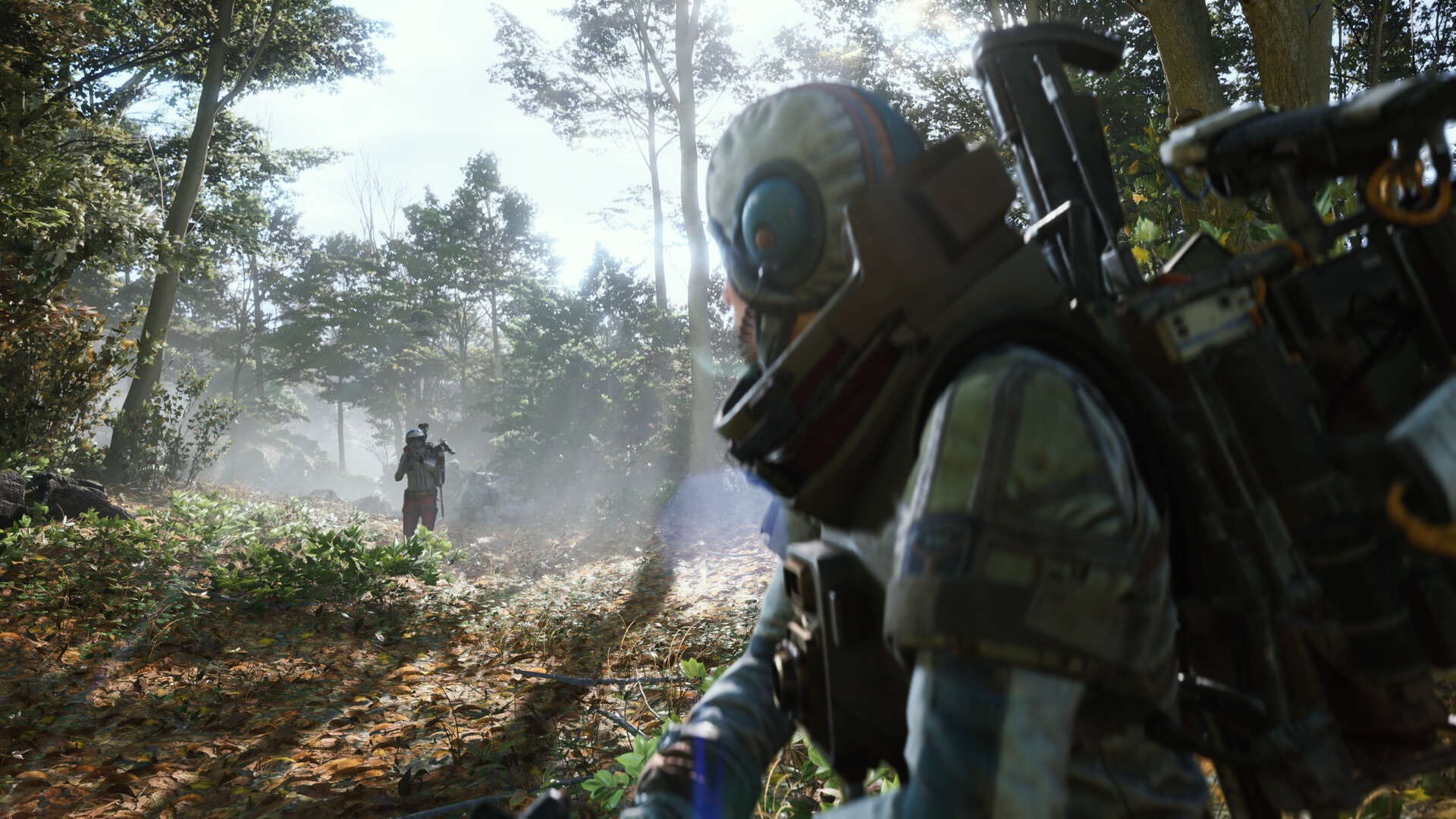
Quick Answer: Arc Raiders loot crates matter because different crate types usually signal different risk, reward, and extraction urgency; learn which containers to open first, which to leave for later, and how rarity can shape your route and loadout choices.
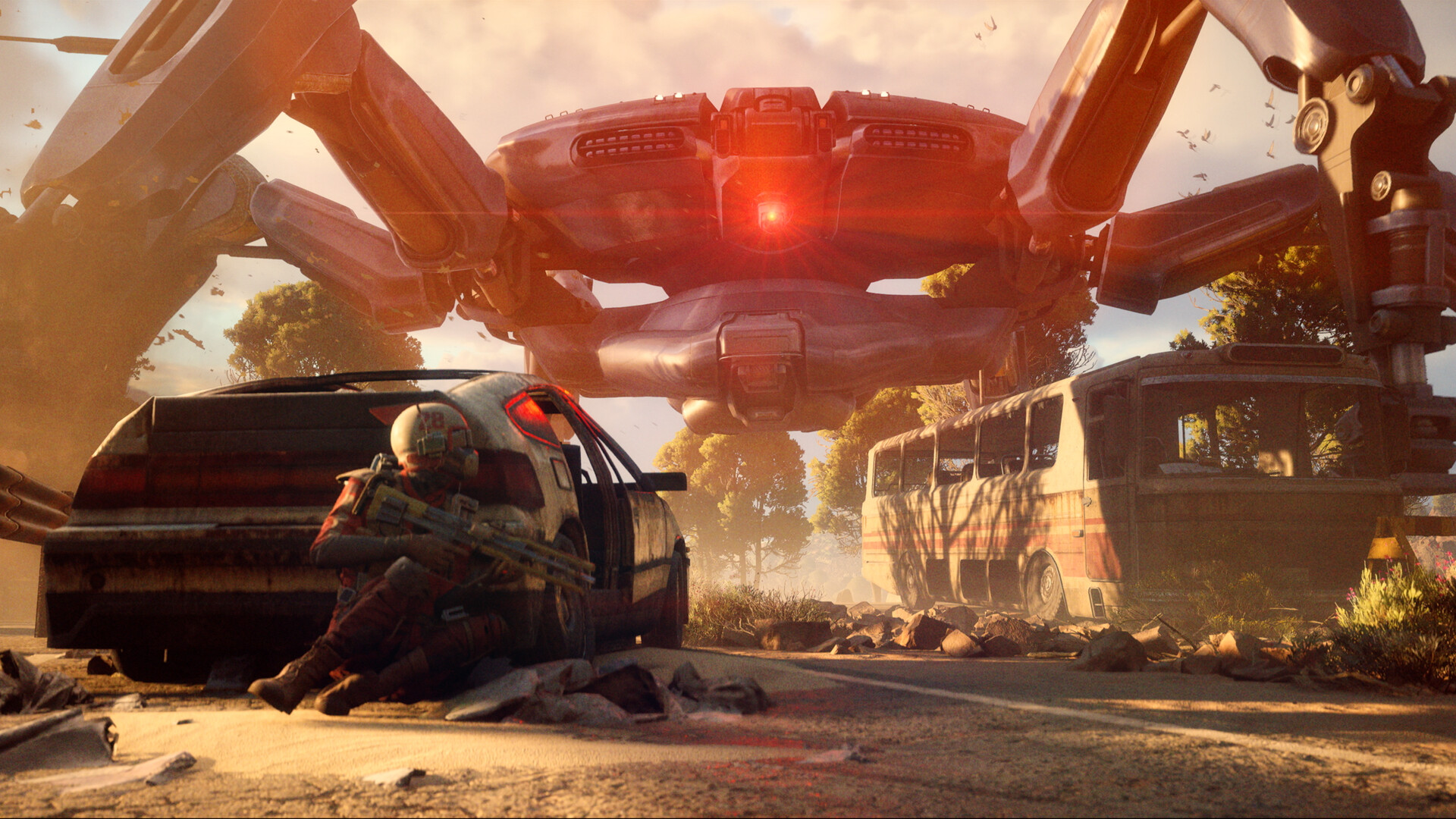
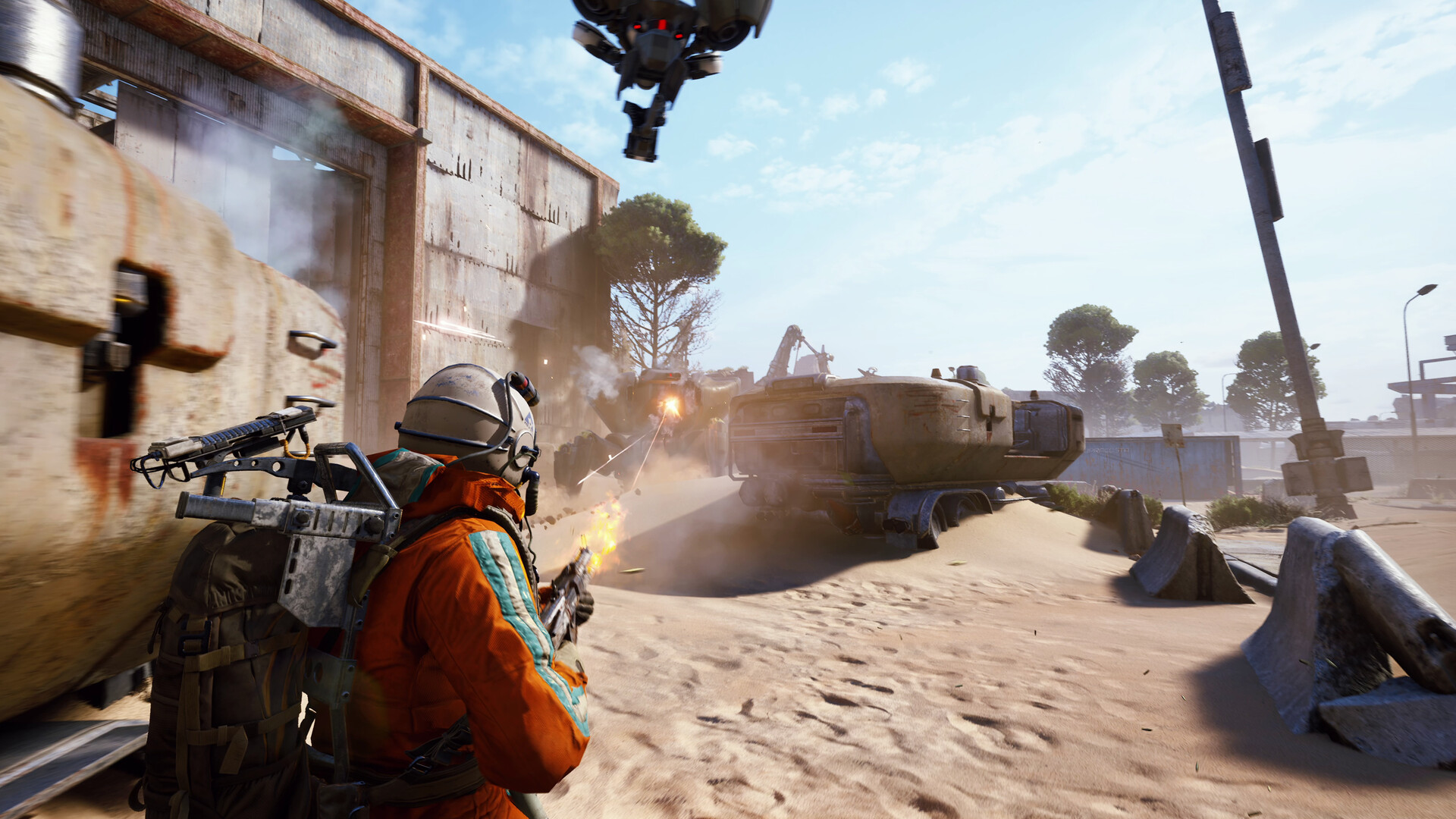
ARC Raiders is a multiplayer extraction adventure set on a lethal future Earth, where every raid is a balance of greed and survival Source. If you want a fast, beginner-friendly way to stop wasting time and start extracting smarter, this guide breaks down crate types, rarity logic, and the habits that matter most early on.
What crate types should beginners care about first?
Beginners should care first about the crates that are easiest to loot safely, easiest to reach on the way out, and most likely to contain useful upgrade materials rather than pure temptation.
In an extraction game, “best loot” is not just about the rarest container. It is about whether you can carry the contents home alive. That means your early priorities should be:
- Quick-access crates near your route
- Medium-risk containers that sit in predictable interior spaces
- High-value crates only when your path, ammo, and extraction timing are already under control
- Special containers when your squad can cover noise and exposure
A good beginner rule is simple: if opening a crate forces you to stand still in the open, it is already expensive.
Practical crate-reading rules
Use these habits to decide whether a crate is worth it:
- Open first what is closest to your exit path
- Check the area before you commit to a long loot animation
- Treat loud containers like bait for both players and ARC pressure
- Take materials over vanity items early
- If your bag is half full of useful crafting pieces, leave “maybe” loot behind
How does rarity affect loot decisions in Arc Raiders?
Rarity affects loot decisions by changing the odds that a crate is worth the noise, time, and risk you spend opening it.
The exact rewards in a given run depend on the match situation, but rarity still gives you a strong decision framework. If you are new, think of rarity as a priority signal, not a guarantee.
| Rarity signal | What it usually means for a beginner | Best response |
|---|---|---|
| Common container | Low risk, low commitment, often filler or basic materials | Open quickly if safe |
| Uncommon-looking container | Better odds of useful crafting or sellable items | Loot when your route still supports it |
| High-value/special crate | More contest, more noise, more temptation | Only open if you can still extract cleanly |
This is why the Arc Raiders Loot Guide: Crate Types and Rarity mindset works so well for new players: stop asking “Is this the rarest thing here?” and start asking “Can I turn this into a successful extraction?”

What should you do in your first hour?
Your first hour should be spent learning container behavior, testing safe routes, and building a habit of extracting with something instead of chasing everything.
First-hour checklist
- Run a low-pressure raid and loot only obvious, low-risk crates
- Practice opening containers while checking your surroundings
- Mark the route from spawn to likely extraction paths
- Identify which areas tend to create fights or attract attention
- Pick up crafting materials, ammo, and survivability items before luxury loot
- Extract early once your inventory is meaningfully improved
- Repeat one route until you understand what “safe enough” feels like
- Experiment with solo play and team play if available to you
- Pay attention to what gets you killed: exposure, greed, or poor timing
A great first-hour objective is not to “get rich.” It is to finish multiple raids with a clear understanding of what you can safely open under pressure.
What to focus on during those first raids
- Learn the sound of risk: a crate that takes too long to loot is often not worth it.
- Learn your escape options: before you open anything expensive, know where you are going next.
- Learn the map’s funnel points: loot near routes you already need, not random dead ends.
- Bank early wins: if one run gives you enough materials to improve consistency, extract.
What should you spend, hoard, and craft first?
You should spend on survivability and consistency first, hoard flexible materials second, and delay luxury crafting until your extraction rate is stable.
A beginner’s biggest mistake is turning every resource into immediate power. In extraction games, that usually backfires. The strongest early economy is the one that keeps your runs repeatable.
| Priority | What to do | Why it matters |
|---|---|---|
| Spend first | Basic survivability, ammo, and whatever helps you extract more often | Consistent extraction beats occasional big wins |
| Hoard second | Crafting materials, upgrade components, and anything that seems broadly useful | Flexibility matters when you do not yet know your favorite build |
| Craft third | Only items you will actually use in your next few raids | Avoid trapping value in niche gear too early |
Resource priority order
- Survival items
- Anything that keeps you alive longer is more valuable than flashy upgrades in the beginning.
- Core ammo and basic utility
- Running dry turns “good loot” into dead loot.
- General crafting materials
- These usually stay useful longer than specialized drops.
- Reliable weapon or gear upgrades
- Choose tools that make future raids safer, not just stronger on paper.
- Cosmetic or convenience spending
- Save this until your economy feels stable.
Hoarding rules that help beginners
- Keep flexible materials unless you know the recipe use
- Do not dismantle everything immediately
- Avoid spending rare components on early experiments
- Save high-value drops for unlocks that improve your raid consistency
What are the most common beginner mistakes?
The most common beginner mistakes are over-looting, under-extracting, misreading risk, and wasting resources on gear they are not ready to use.
1) Chasing every crate you see
This happens when a player treats loot density like a scoreboard.
Fix: Pick a route with a clear “loot budget” and stop once your bag has enough value to justify extraction.
- Loot the best container on your path
- Ignore side rooms if they create a detour
- Extract while your inventory is already improved
2) Opening crates without checking the area
This is the fastest way to lose a run to a third party or an ARC threat.
Fix: Build a habit of “scan, loot, move.”
- Stop in cover before interacting
- Listen for footsteps, gunfire, or machine noise
- Always know your next piece of cover before the crate opens
3) Carrying too many niche items
New players often hoard items that feel rare but do not help their next run.
Fix: Prioritize broadly useful materials over one-off trophies.
- Keep upgrade materials that support multiple builds
- Sell or stash only if the item clearly helps your near-term plan
- Ask whether the item improves extraction odds, not just collection completion
4) Ignoring extraction timing
Many beginners loot well and still lose because they wait too long.
Fix: Treat extraction as part of the loot plan, not the end of it.
- Decide your exit path early
- Leave once your run has “won”
- Do not keep pushing just because the map still has unopened containers
5) Bringing your best gear into learning runs
That can make you play scared, which lowers your overall performance.
Fix: Use gear you are comfortable losing while you learn crate routes and combat timing.
- Train with dependable loadouts
- Upgrade only when you understand why the change helps
- Save premium items for runs where you can leverage them confidently
When are you out of the beginner phase?
You are out of the beginner phase when you can consistently loot with intent, extract with useful inventory, and make risk decisions without freezing or overcommitting.
A simple graduation test is whether you can do the following on purpose:
- Enter a raid with a route in mind
- Identify which crates are worth opening
- Leave valuable but dangerous loot behind
- Survive pressure without panic-looting
- Extract with a plan instead of luck
You are also probably past the beginner stage once your decisions shift from “What can I take?” to “What actually improves my next few runs?” That is the real jump.
Signs you are ready for the next step
- You know which loot is safe and which is bait
- You understand when a crate is not worth the exposure
- You can manage inventory without dumping useful materials
- You are extracting more consistently than you are dying to greed
- You are starting to plan around builds, roles, or squad synergy
For next-step reading, check out related guide on early-tier loadouts, all expedition steps rewards on beginner builds, and related guide on map walkthroughs.
Why does Arc Raiders reward smart loot discipline?
Arc Raiders rewards smart loot discipline because extraction games punish greed more reliably than almost any other action game format.
The broader game context reinforces that mindset. ARC Raiders is a multiplayer extraction adventure set in a hostile future Earth, and its tension comes from deciding what to risk and what to abandon Source. It is also a substantial game to learn: HowLongToBeat estimates roughly 38.43 hours for the main story, 73.74 hours with extras, and 157.95 hours for completion Source. That tells you something important: this is not a “figure it out instantly” game.
Even current audience signals point to a healthy, active playerbase. Steam’s official review summary currently reads “Very Positive” with 82.8% positive across 408777 reviews Source, while Metacritic aggregates a critic Metascore of 86/100 across 65 professional reviews Source. In practice, that means there is a strong knowledge base around the game—and a lot of players learning the same lessons about safe loot routes and container choice.
FAQ
Which crate type should I open first in a raid?
Open the safest crate that is already on your route first. Early on, route efficiency matters more than container rarity.
Is rare loot always worth extra danger?
No. Rare loot is only worth it if you can still extract reliably afterward. A dead run is worth less than a modest successful one.
Should I loot every container in the area?
No. Beginners should loot selectively and leave once the inventory is already improving the run. Over-looting is one of the biggest causes of lost gear.
What loot should I prioritize as a new player?
Prioritize survivability items, ammo, general crafting materials, and anything that clearly improves consistency. Skip loot that is only impressive on paper.
How do I know a crate is too risky to open?
If opening it would expose you in the open, force a bad detour, or delay your extraction timing too much, skip it.
Does solo play change how I should loot?
Yes. Solo players should be even more selective because they cannot rely on squad cover while interacting with containers.
You might also like
- ARC Raiders Best Build Guide
- ARC Raiders Skill Tree Build Guide
- ARC Raiders Beginner Guide: [arc raiders codes](/guides/arc-raiders-codes), Core Tips, and Early Progression
- ARC Raiders Beginner Guide: Smart Starts, Loot Priority, and Map Routing
- ARC Raiders Walkthrough: Complete arc raiders walkthrough
Sources
- https://store.steampowered.com/app/1808500/
- https://howlongtobeat.com/?q=arcraiders
- https://www.metacritic.com/game/arc-raiders
You might also like
- Arc Raiders Expedition Guide: Rewards What's Reset and How to Register
- Arc Raiders Trophy Display Project Guide: All Materials and Rewards
- ARC Raiders Beginner Guide: Crafting Items and Weapons
- Arc Raiders Damage ARC enemies in the Red Lakes Beginner Guide
- ARC Raiders Beginner Guide: Arc Raiders Where to Get Rusted Gear - Guide
See also
- Arc Raiders Shared Watch Event Guide and All Rewards for Beginners
- ARC Raiders Beginner Guide
- Arc Raiders Player Count 2026: Live Steam Charts & Peak
- ARC Raiders Beginner Guide: Where to Find Industrial Battery and Start Strong
- Arc Raiders Steam Charts: Concurrent Players & Trends
- Arc Raiders Beginner Guide: With a View Quest Walkthrough and Early Game Essentials
- ARC Raiders Tier List: Best Picks, Strong Builds, and Situational Choices
- Arc Raiders Beginner Guide: Cold Snap Patch Notes and Update Details
- ARC Raiders Beginner Guide: Your First Steps in ARC Raiders PvE
- Arc Raiders Beginner Guide: Getting Started, Priorities, and the Blue Gate Glitch Controversy
- ARC Raiders Beginner Guide: How to Start Strong and Claim the Free Nvidia Backpack Skin Emerald Wave
- Arc Raiders Beginner Guide: First Steps, Loot Priorities, and Survival Basics
- ARC Raiders How to Complete the Controlled Access Zone Puzzle: Beginner Guide
- Arc Raiders Weather Monitor System Project Guide: Rewards Locations and Tips for Beginners
- ARC Raiders How to Complete Paving the Way: Enelica Building Location
See also
- ARC Raiders Beginner Guide: First Hour, Resources, and Common Mistakes
- ARC Raiders Beginner Guide: Start Strong and Learn the Core Loop
- Arc Raiders Where to Find Rusted Tools - Guide
- Arc Raiders Where to Find Fried Motherboard in Beginner Guide
- ARC Raiders Beginner Guide: Close Scrutiny, Assessors, and Arc Operations Explained
- ARC Raiders Beginner Guide: Mushroom Locations and Early Progression
- ARC Raiders Beginner Guide: How to Start Strong
- ARC Raiders Converging Paths Project Guide: How to Complete
- Arc Raiders Beginner Guide: Yellow Light Stick Blueprint - Wiki
- ARC Raiders Beginner Guide: Worth Your Salt Quest Walkthrough - Guide
- ARC Raiders Beginner Guide: Getting Started, Loot Priorities, and Water Filter Tips
- ARC Raiders Beginner Guide: Getting Through the First Hours
- ARC Raiders Beginner Guide: Arc Raiders Where to Get Mushrooms - Guide
- ARC Raiders Beginner Guide: Smart Start, Safe Progress, and Early Wins
- ARC Raiders Patch Notes Explained
Screenshots

Reviewed by
Arc Raiders Hub Editorial
Expertise: Editorial team behind Arc Raiders Hub. Content is compiled from official patch notes, community wikis, and playthrough notes, then reviewed and updated on schedule.
Sources
ARC Raiders Progression Guides →
Browse the complete progression collection and its focused guides.
Related Guides
%27/><stop offset=%271%27 stop-color=%27hsl(320,50%,18%)%27/></linearGradient></defs><rect width=%27460%27 height=%27215%27 fill=%27url(%23g)%27/><text x=%27230%27 y=%27115%27 text-anchor=%27middle%27 font-family=%27sans-serif%27 font-size=%2724%27 font-weight=%27700%27 fill=%27rgba(255,255,255,0.85)%27>App 1808500</text><text x=%27230%27 y=%27142%27 text-anchor=%27middle%27 font-family=%27sans-serif%27 font-size=%2711%27 fill=%27rgba(255,255,255,0.6)%27>no image yet</text></svg>)

🔥 Popular Guides
Arc Raiders Beginner Guide: First-Hour Priorities, Resource Order, and Common Mistakes
First-hour priorities, resource order, beginner mistakes, and when to graduate from Arc Raiders beginner phase.

ARC Raiders patch notes security breach reddit: Store Update 1.43.0 Explained
Store Update 1.43.0 adds Roamer Set, Phantom Targets, and a security breach locker nerf explained.
arc raiders patch notes reddit: Patch Notes Explained for Store Update 1.43.0
ARC Raiders Store Update 1.43.0 adds the Roamer Set and Phantom Targets Event. What changed, who benefits, and what to do now.
ARC Raiders Patch Notes January: Patch Notes Explained
January ARC Raiders patch notes explained: new Roamer Set, Phantom Targets event, what changed, who benefits, and what to do next.
📋 Patch Notes & Updates
🛠️ Popular Tools
Frequently Asked Questions
Quick answers from the guide · click a question to expand.
Which crate type should I open first in a raid?
Open the safest crate that is already on your route first. Early on, route efficiency matters more than container rarity.
Is rare loot always worth extra danger?
No. Rare loot is only worth it if you can still extract reliably afterward. A dead run is worth less than a modest successful one.
Should I loot every container in the area?
No. Beginners should loot selectively and leave once the inventory is already improving the run. Over-looting is one of the biggest causes of lost gear.
What loot should I prioritize as a new player?
Prioritize survivability items, ammo, general crafting materials, and anything that clearly improves consistency. Skip loot that is only impressive on paper.
How do I know a crate is too risky to open?
If opening it would expose you in the open, force a bad detour, or delay your extraction timing too much, skip it.
Does solo play change how I should loot?
Yes. Solo players should be even more selective because they cannot rely on squad cover while interacting with containers.
Was this guide helpful?
Rate this guide so we can improve it.
Share your own tip
Found something not in the guide? Submit it below — our editors review every tip before publishing. No account required.